August 17, 2026



May 9, 2025
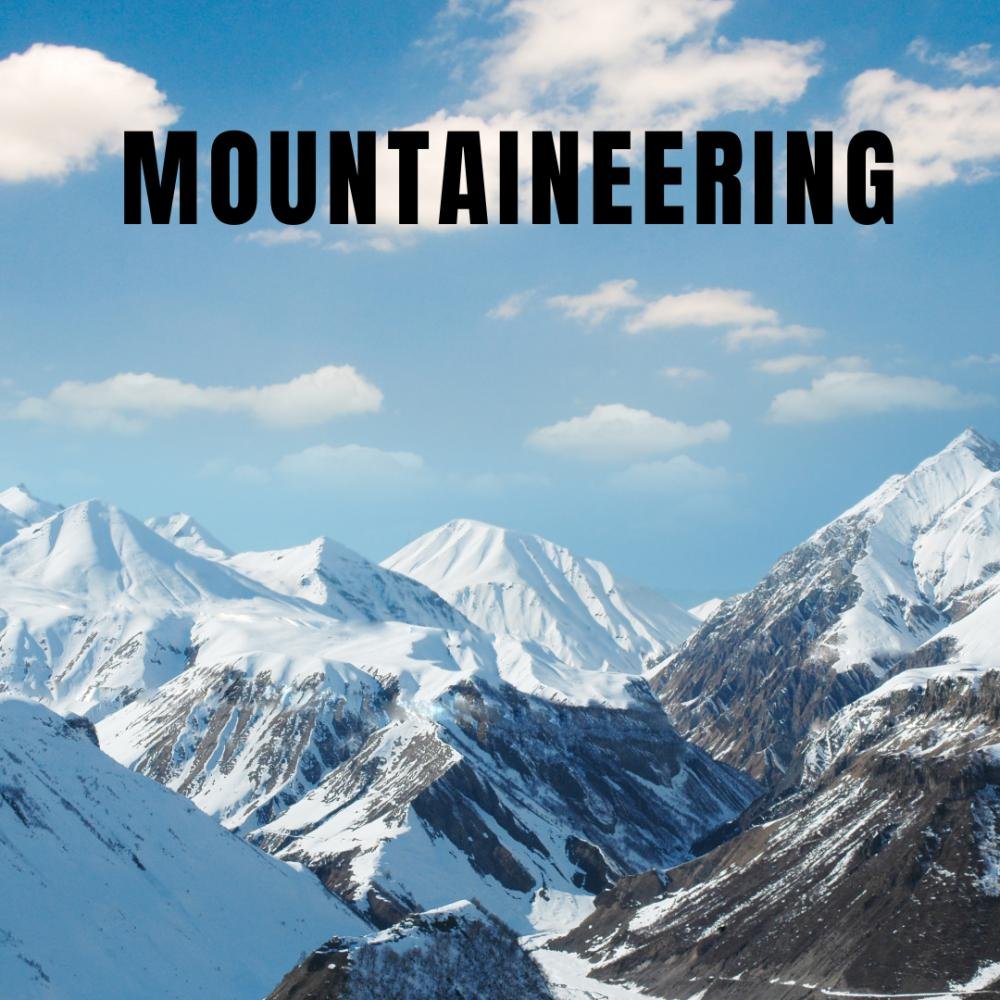
How to Prepare for Your First Mountaineering Expedition in India
India’s vast and rugged mountain ranges offer some of the most breathtaking mountaineering experiences in the world. From the icy slopes of Stok Kangri to the technical challenges of Mt. Satopanth, the country is a paradise for aspiring climbers. However, stepping into the world of mountaineering isn’t just about reaching the summit—it requires rigorous physical training, the right gear, and strong mental resilience.
If you're planning your first mountaineering expedition in India, here’s a comprehensive guide to ensure you're well-prepared for the adventure ahead.
1. Physical Fitness: Building Strength and Endurance
Mountaineering is one of the most physically demanding activities, requiring a mix of strength, endurance, and agility. A solid fitness regimen will prepare your body to handle long ascents, carry heavy loads, and adjust to low oxygen levels at high altitudes.
Key Areas of Fitness to Focus On:
a) Cardiovascular Endurance
- Start with long-distance running, cycling, or swimming at least 4-5 days a week.
- Incorporate stair climbing with a weighted backpack to simulate trekking conditions.
- Gradually increase your training elevation by hiking on hilly terrain.
b) Leg and Core Strength
- Perform squats, lunges, step-ups, and deadlifts to build leg power.
- Strengthen your core with planks, Russian twists, and hanging leg raises—a strong core improves balance and stability.
c) Flexibility & Mobility
- Practice yoga and dynamic stretching to enhance flexibility and prevent injuries.
- Focus on ankle, hip, and shoulder mobility—critical for rough terrain and carrying a heavy backpack.
2. Acclimatization: Preparing for High Altitude
One of the biggest challenges in mountaineering is altitude sickness due to reduced oxygen levels above 3,000 meters (9,800 ft). Proper acclimatization is crucial for a safe climb.
How to Acclimatize Effectively:
✅ Train at higher altitudes before your expedition—try treks in Himachal Pradesh, Uttarakhand, or Ladakh.
✅ Increase your altitude gradually and follow the climb high, sleep low principle.
✅ Stay hydrated and avoid alcohol & smoking, as they can worsen altitude sickness.
✅ Listen to your body—headaches, dizziness, and nausea are early signs of altitude sickness. If symptoms worsen, descend immediately.
3. Gear Checklist: Essentials for a Successful Climb
Having the right gear can make or break your expedition. Unlike trekking, mountaineering involves technical equipment and protective layers designed for harsh conditions.
Essential Mountaineering Gear:
Clothing (Layering System):
Base Layer—Moisture-wicking thermal wear to keep you dry.
Mid Layer—Fleece or down jacket for insulation.
Outer Layer—Waterproof & windproof jacket and pants (Gore-Tex recommended).
Footwear:
High-ankle mountaineering boots (ensure they're waterproof and compatible with crampons).
Thermal socks to prevent frostbite and blisters.
Climbing Gear:
Ice axe—Essential for snow-covered slopes.
Crampons—Metal spikes attached to boots for traction on ice.
Harness, helmet, and carabiners—mandatory for glacier and technical climbs.
Ropes and ascenders—used for fixed-line climbing.
Accessories & Safety Gear:
Backpack (50-70 L)—Spacious enough to carry gear but not overly heavy.
UV-protected sunglasses & sunscreen—to combat snow blindness and sunburn.
Insulated gloves & gaiters—Keep your hands and feet warm and dry.
First Aid Kit—Include Diamox (for altitude sickness), painkillers, bandages, and personal medications.
Sleeping Bag (-10°C to -20°C rated)—Essential for high-altitude camps.
4. Mental Toughness: Conquering the Psychological Barriers
Mountaineering is as much a mental challenge as it is a physical one. Harsh weather, fatigue, and isolation can test your patience and determination. Mental preparedness is key to overcoming these hurdles.
How to Build Mental Strength:
Meditation & Visualization—Picture yourself reaching the summit, pushing through exhaustion.
Train in tough conditions—expose yourself to cold, fatigue, and discomfort in training.
Develop a “Never Quit” Attitude—Set small goals on the mountain (reach the next ridge, climb another 100 meters).
Most importantly, stay positive and adaptable. The mountain decides your fate, and being mentally prepared to change plans, turn back if needed, and make rational decisions under stress is crucial.
5. Choosing the Right Peak for Your First Expedition
If you're new to mountaineering, it's best to start with a non-technical peak before progressing to challenging climbs.
Beginner-Friendly Peaks in India:
✅ Stok Kangri (6,153m, High-altitude but non-technical.
✅ Kang Yatse II (6,250m, Ladakh)—A great step up from trekking.
✅ Friendship Peak (5,289m, Himachal Pradesh)—Perfect introduction to glacier trekking.
✅ Black Peak (6,387m, Uttarakhand)—Ideal for those ready to transition into technical climbing.
Once you've built experience and confidence, you can aim for technical peaks like Mt. Satopanth, Nun-Kun, or CB13.
6. Training Expeditions: Get Real-World Experience
Before committing to a high-altitude mountaineering expedition, it’s beneficial to gain experience through:
Himalayan treks (like Roopkund, Goecha La, or Kedarkantha) to test your endurance.
Basic Mountaineering Courses (BMC) from NIM, NIMAS, HMI, or ABVIMAS to learn technical skills.
Short ice climbing or glacier training programs in Ladakh or Uttarakhand.
Embrace the Challenge
Mountaineering is not just about reaching the summit—it’s about learning, adapting, and growing stronger with every climb. Preparing well for your first expedition ensures that you enjoy the experience safely while respecting the mountains and their challenges.
The Indian Himalayas offer some of the best mountaineering opportunities in the world. If you train hard, gear up right, and stay mentally strong, your first mountaineering expedition will be the start of an incredible lifelong adventure.
So, are you ready to take your first step into the world of mountaineering?
Latest Articles

MOUNT KUN

HOW BORDER TOURISM IS OPENING NEW ROUTES FOR MOUNTAINEERS
January 6, 2026
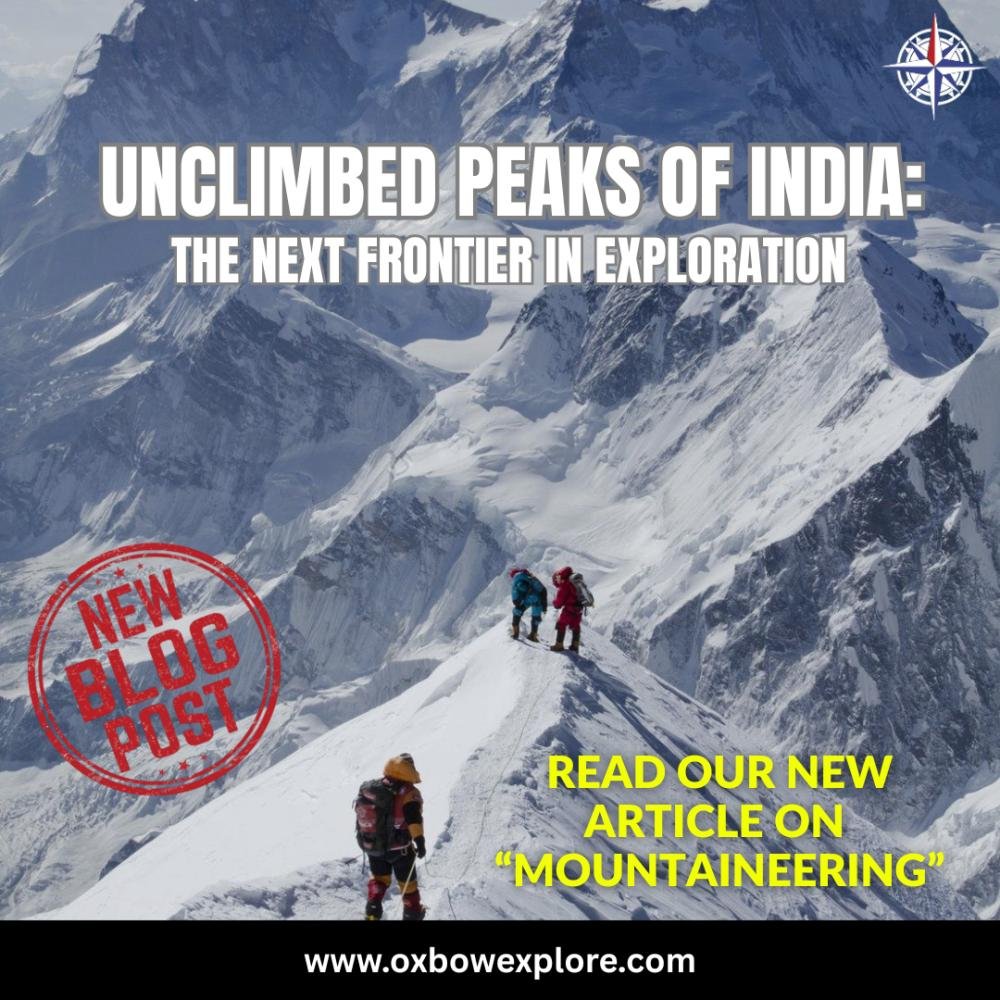
UNCLIMBED PEAKS OF INDIA: THE NEXT FRONTIER IN EXPLORATION
December 2, 2025
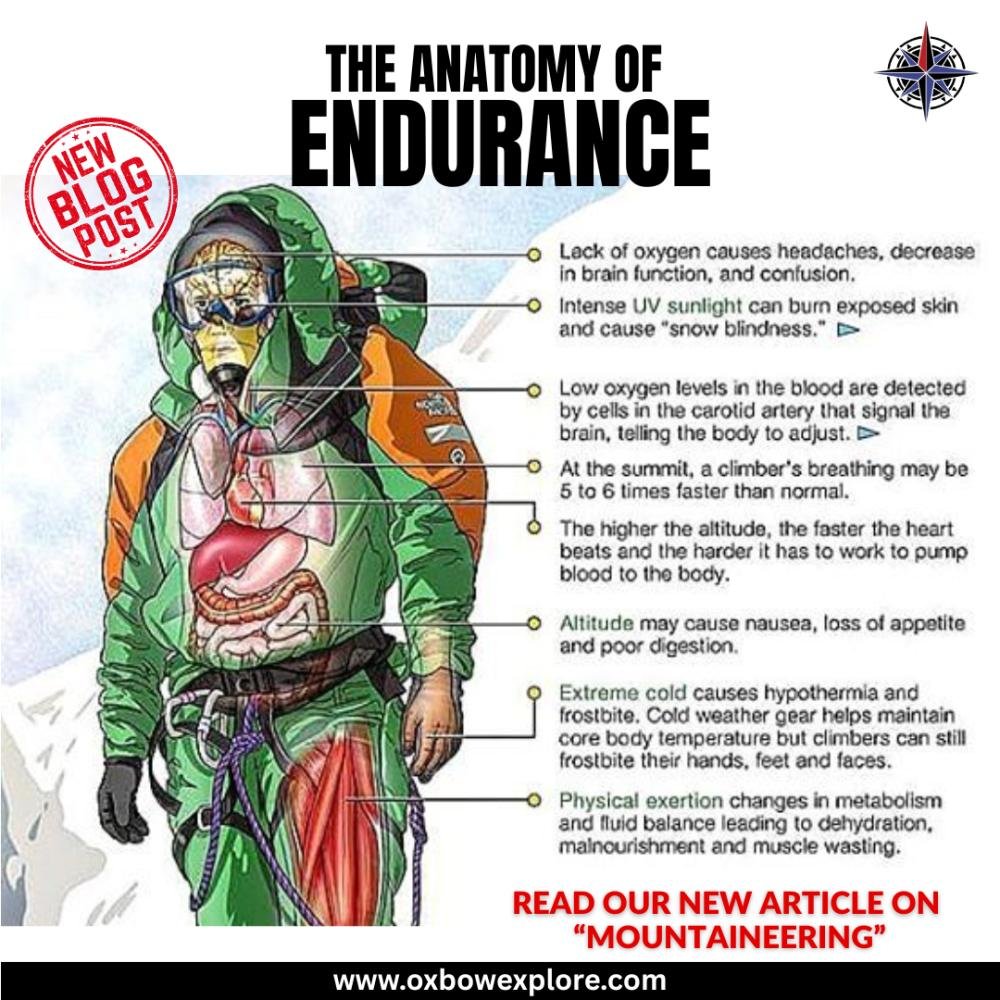
THE ANATOMY OF ENDURANCE
October 23, 2025
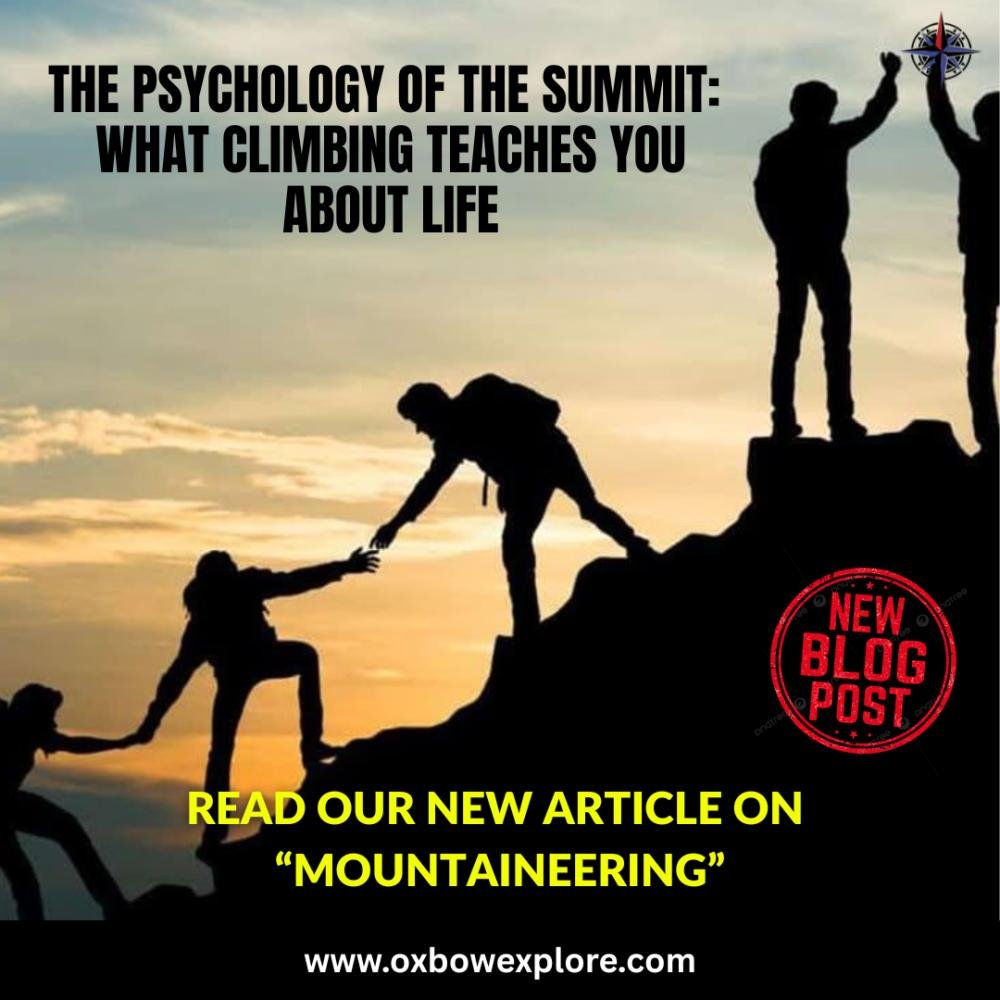
THE PSYCHOLOGY OF THE SUMMIT: WHAT CLIMBING TEACHES YOU ABOUT LIFE
October 15, 2025
