India’s Snow Dreams Carve New Lines: Khelo India Winter Games 2026

February 26, 2026

India’s Snow Dreams Carve New Lines: Khelo India Winter Games 2026
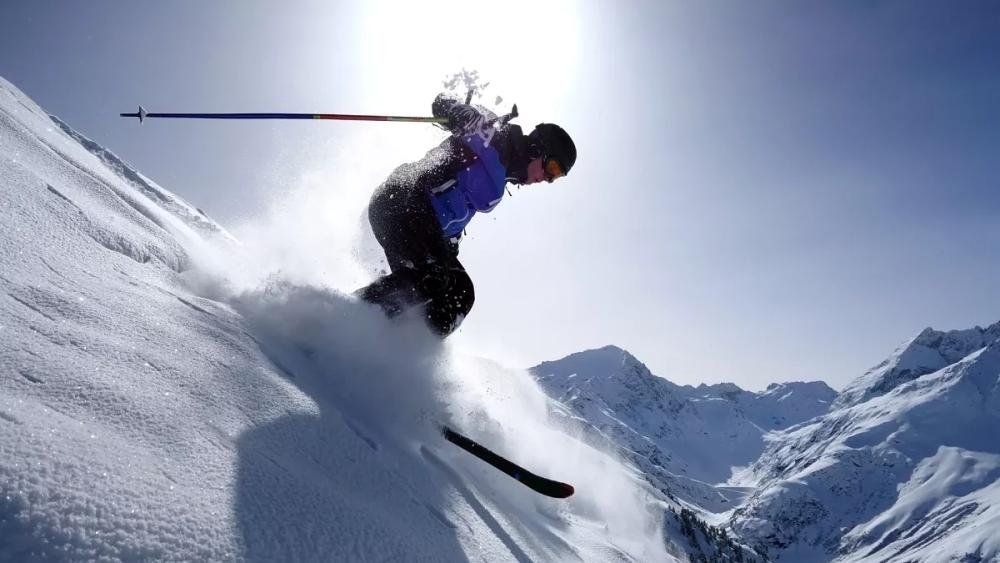
Every winter, when the Himalayas turn white, Indias adventure pulse beats a little faster. This year, the rhythm is unmistakable inGulmarg, where the 2026 edition of the Khelo India Winter Games has transformed powder slopes into arenas of ambition. From Oxbow Explores adventure lens, this is a movement, one thats redefining how India sees snow sports. Skiing Takes Center Stage Alpine skiing has emerged as the headline discipline this season, drawing record participation from states that once never imagined winter athletes. The slopes of Gulmarg, which are already known for some of Asias finest backcountry terrain, are now witnessing Indias next generation of ski racers attacking gates with speed and precision. One of the most inspiring stories comes from Kajal Kumari Rai of Meghalaya, who clinched double gold in alpine skiing. Her technical precision across slalom formats with clean edge transitions, balanced posture through tight gates, and confident acceleration on descents signals how winter sports are expanding beyond traditional Himalayan strongholds. The host state athletes from Jammu Kashmir have also delivered dominant runs, particularly in giant slalom events. Their deep familiarity with Gulmargs terrain translated into smart line choices and faster second runs proving that mountain intuition remains a competitive advantage. The technical growth is visible. Better carving. Stronger edge control. Confident downhill stances. Nordic skiing, often overlooked in mainstream narratives, is quietly building endurance heroes. On flatter stretches blanketed in fresh snow, cross-country athletes are pushing lung capacity and mental grit to new levels. Its a discipline that rewards resiliencesomething mountain communities understand deeply. Snowboardings Rising Energy Snowboarding at the Games carries a different vibe: creative, fearless, and expressive. From slopestyle flair to aggressive downhill lines, riders are blending sport and style in ways that mirror global trends. For us, this is where adventure culture thrives. The youth presence here signals a generational shift in how India engages with snow. Snowboarding at this edition carries unmistakable progress. Riders from Himachal Pradesh delivered strong podium finishes in alpine snowboard formats, displaying sharper carving mechanics and more aggressive downhill control compared to previous seasons. Institutional teams, especially Services athletes remained consistent medal contenders across snowboard and ski categories. Their high-altitude training regimens and structured conditioning programs were evident in stamina-driven finals. Ski Mountaineering: The Wild Frontier Ski mountaineering (SkiMo) continues to emerge as one of the most compelling disciplines of the Games. Combining uphill climbing strength with technical descents, it mirrors the raw spirit of alpine exploration. The Services team athletes dominated the vertical race formats, clocking some of the fastest ascent timings of the competition. Their cardiovascular endurance and uphill efficiency reflect serious investment in mountain racing preparation. With global recognition of the discipline increasing and Indian athletes stepping into the conversation, this event feels like a bridge between competitive sport and raw exploration. It aligns perfectly with Oxbow Explores ethos: adventure begins where comfort ends. What This Means for Indian Snow Sports The impact of the Games extends far beyond podium finishes: Infrastructure push: Improved slopes, timing systems, training facilities. Local economies: Winter tourism in Himalayan regions receiving renewed attention. Youth participation: States from the Northeast to the plains investing in winter athlete development. Climate conversation: Unpredictable snowfall patterns have sparked discussions around sustainability and artificial snow solutions. From an adventure perspective, this signals something powerful India is no longer treating snow as a novelty. Its treating it as a playground for excellence. If this years Games are any indication, we can expect the following: Increased investment in alpine and Nordic training academies More structured snowboarding circuits Greater international exposure for Indian SkiMo athletes Stronger sustainability frameworks for winter sport tourism The slopes of Gulmarg have always held magic. But today, they hold momentum. And from where we stand at Oxbow Explore, that momentum feels like the start of something far bigger than a season; it feels like the making of Indias snow sports era.
read more arrow
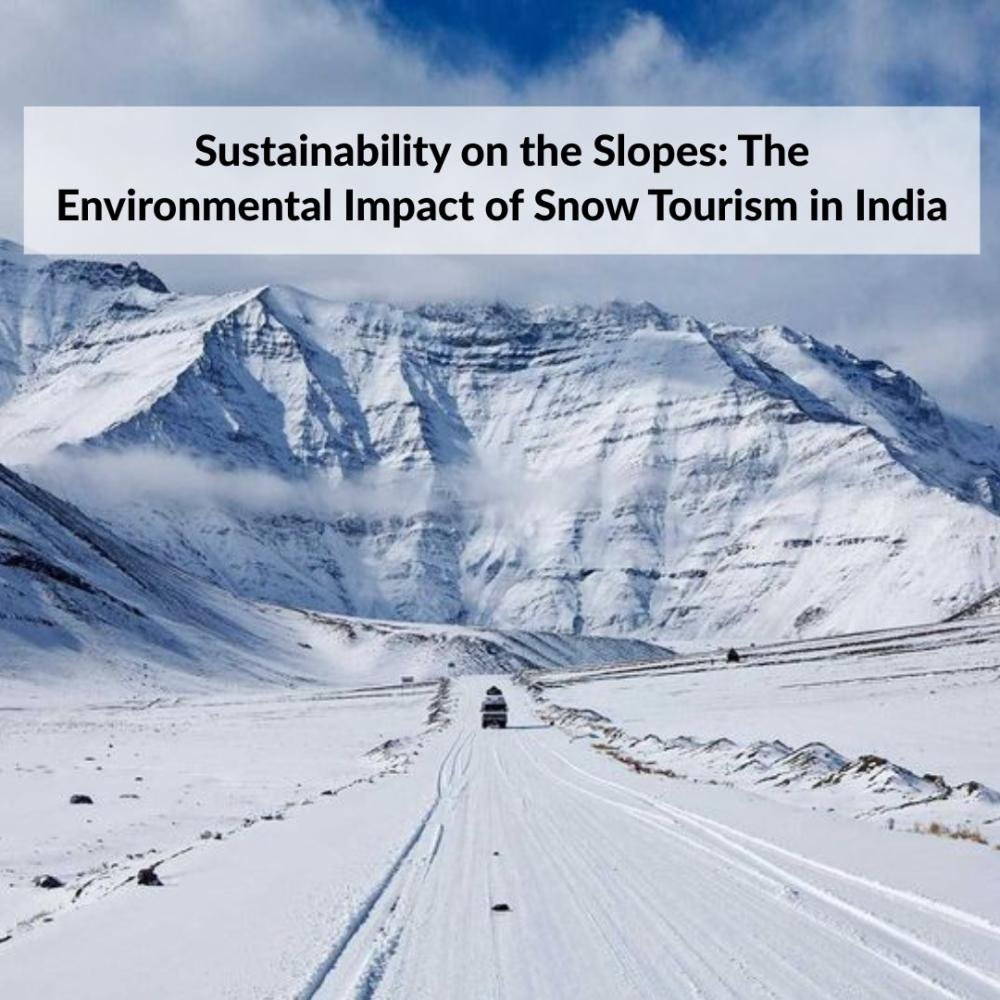
Sustainability on the Slopes: The Environmental Impact of Snow Tourism in India

July 22, 2025

Sustainability on the Slopes: The Environmental Impact of Snow Tourism in India
As the Indian Himalayas increasingly become a playground for snow lovers, there's a quiet storm brewing behind the scenesone that has less to do with snowfall and more with sustainability. From bustling ski resorts to growing adventure tourism circuits, snow tourism is booming across destinations like Gulmarg, Auli, Solang, and Lahaul. But as we chase powder and panoramic views, it's time to ask a harder question:What is the environmental cost of snow tourism in India? Snow Tourism: A Double-Edged Sword Snow tourism brings undeniable benefitsjobs, infrastructure, and a spotlight on remote regions that often remain isolated in the long winter months. But this sudden surge of interest comes with ecological consequences. Heres how snow tourism can negatively impact fragile mountain ecosystems: 1. Infrastructure Development in Fragile Zones To accommodate rising tourist numbers, roads are widened, trees cleared, and resorts builtoften without adequate environmental safeguards. The Himalayas are young, geologically unstable mountains, and rapid construction increases the risk of: Landslides and erosion Loss of alpine flora and wildlife corridors Permanent damage to glacial and forest ecosystems In regions like Gulmarg and Joshimath, infrastructure stress has already become a visible concern, with shifting ground levels and water table issues. 2. Waste Management Woes More tourists mean more waste. Disposable packaging, plastic bottles, and non-biodegradable ski gear litter trails, slopes, and nearby villages. In winter, waste is often buried under snowonly to resurface during the thaw in spring, overwhelming local waste systems. While some ski resorts like Auli are trying to manage their waste through local bodies like GMVN, the systems are often stretched thin and under-resourced. 3. Increased Carbon Footprint Snow sports may seem clean on the surface, but they rely heavily on energy-intensive support systems: Artificial snowmaking (using thousands of litres of water and energy) Diesel-powered snowmobiles, lifts, and grooming equipment Transport emissions from visitors flying or driving long distances This high-energy consumption directly contributes to greenhouse gas emissions, ironically threatening the very snow we seek. 4. Water Usage Depletion Artificial snow requires massive amounts of water, often diverted from local sources. In places where water is already scarce in winter, this has knock-on effects: Reduced water availability for local communities and livestock Drying up of nearby streams and forest ecosystems Lower water tables due to over-extraction 5. Climate Change Melting Slopes The ultimate irony? Snow tourism depends on snow, but its contributing to the conditions that are shortening ski seasons and raising freezing lines. Inconsistent snowfall in Auli and warming trends in Himachal are forcing resorts to rely more on artificial snowa temporary fix that exacerbates the problem in the long run. Can Snow Tourism Be Sustainable? Yesbut only if approached with urgency, innovation, and community engagement. Heres what sustainable snow tourism in India could look like: 1. Eco-Sensitive Zoning Construction Enforce strict building codes in high-altitude regions Limit the number and size of new resorts Use renewable materials and local labor Build eco-lodges that minimize heating and energy demands 2. Low-Waste Zero-Plastic Policies Install waste segregation points on trails and at resorts Ban single-use plastic in tourist zones Incentivize travelers to carry their own water bottles and flasks 3. Renewable Energy Use Switch to solar-powered lifts and heating systems where feasible Encourage electric transport options for local travel Offer incentives for resorts using clean energy or carbon offsets 4. Community-Led Tourism Models Train locals as guides, instructors, and hospitality staff to reduce outside dependency Involve local panchayats and youth in conservation work Channel tourism revenue into community-owned services like waste collection and public toilets 5. Education Responsible Tourism Campaigns Educate tourists on the fragile ecosystem they are entering Promote Leave No Trace principles Partner with schools, influencers, and tour operators to normalize eco-conscious behavior on the slopes The Road Ahead: A Delicate Balance Indias snow-covered slopes are not just adventure zonestheyre water towers, biodiversity hotspots, and cultural heartlands. As more people flock to the mountains, the onus is on all stakeholderstourists, operators, governments, and localsto ensure that the thrill of winter does not come at the cost of our environment. The Himalayas give us snow, silence, and soul-stirring beauty. The least we can do is return the favor with respect, responsibility, and a sustainable approach to adventure. Planning a snow trip this winter?Try going plastic-free, take public transport, support homestays, and leave only footprints. The future of Indias slopes depends on it.
read more arrow
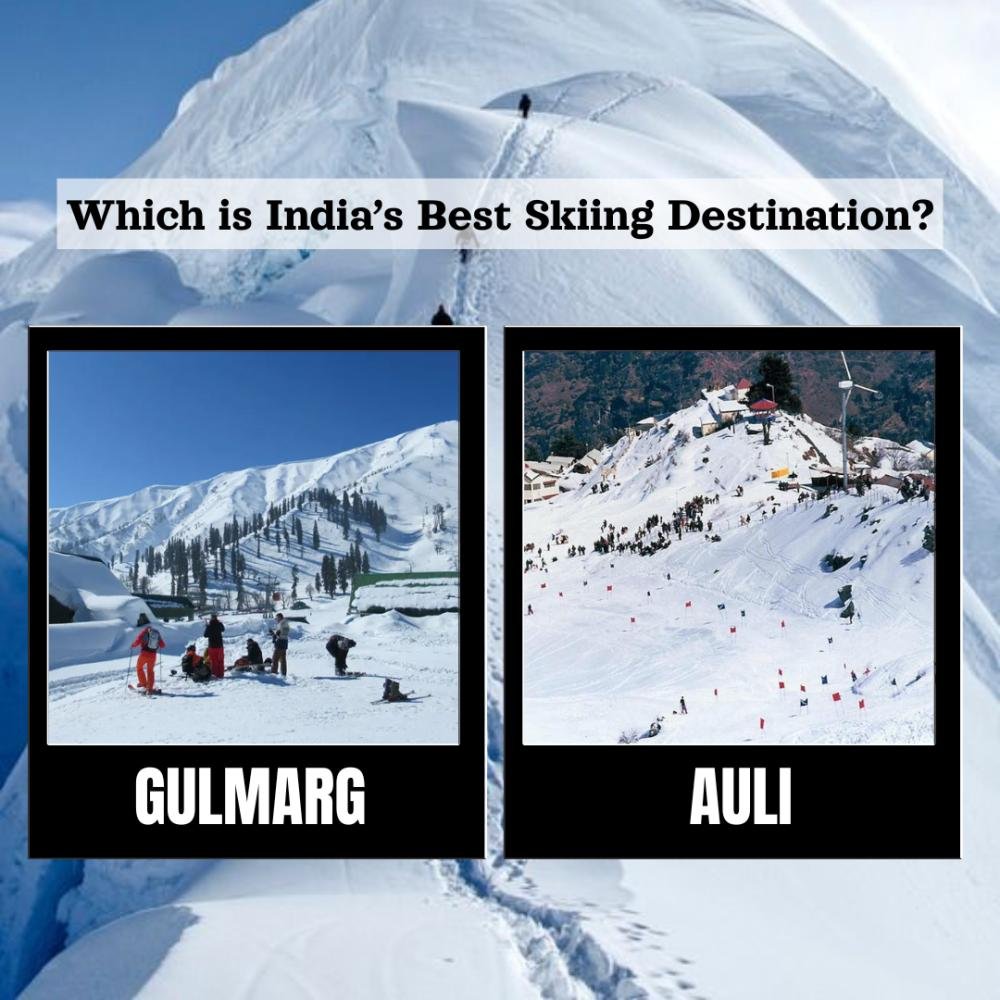
Gulmarg vs. Auli: Which is India’s Best Skiing Destination?

July 18, 2025

Gulmarg vs. Auli: Which is India’s Best Skiing Destination?
India's snow sports scene is growing rapidly, and with the Himalayas at its doorstep, its no surprise that skiing is gaining popularity. Among the handful of places offering powder runs and panoramic views,Gulmarg in Jammu Kashmir and Auli in Uttarakhand stand out as the countrys most renowned skiing destinations. But which one is better? That depends on what kind of skier or traveler you are. Here's a comprehensive comparison of Gulmarg vs. Auli, breaking down everything from terrain and snowfall to accessibility and experience. SNOWFALL TERRAIN: The Heart of the Matter GULMARG Known for its deep powder and consistent snowfall, Gulmarg is a haven for intermediate to expert skiers. The slopes extend up to 4,000 meters, serviced by one of the worlds highest gondolas the Gulmarg Gondola. Off-piste and backcountry skiing here are world-class, drawing international freeriders and professionals. Terrain: Steep, wild, and mostly ungroomedgreat for adventure seekers. AULI Auli receives moderate snowfall, generally reliable between December and March. The slopes are gentler and more groomed, making it ideal for beginners and families. Elevation ranges between 2,500 and 3,000 meters, with a chairlift and ski lift operating during the season. Terrain: Managed, safe, and friendly for learners. Verdict:Gulmarg wins for advanced skiers and thrill-seekers.Auli wins for beginners and casual skiers. INFRASTRUCTURE FACILITIES GULMARG While the gondola is world-class, much of the infrastructure around it (ski rental shops, medical aid, signage) is still basic and fragmented. Limited grooming and avalanche control mean safety depends on self-awareness or hiring a local guide. International-level ski operators do offer heli-skiing and guided tours. AULI Smaller in scale but more organized. It has a well-maintained artificial lake for snowmaking, ensuring decent skiing conditions even in low-snow winters. The Garhwal Mandal Vikas Nigam (GMVN) manages a ski resort with good facilities, training institutes, and equipment rental. Also home to the National Skiing Championship and training camps. Verdict:Auli takes the lead on infrastructure, training, and safety. ACCESSIBILITY GULMARG Nearest Airport: Srinagar (approx. 50 km) Road from Srinagar to Gulmarg is scenic but subject to heavy snowfall and political disturbances during peak winter. Travel from major cities often involves multiple legs and weather-dependent routes. AULI Nearest Airport: Dehradun (approx. 280 km) Accessible by road via Rishikesh, Joshimath, and a cable car up to Auli. While the drive is longer, the route is safer and more stable year-round. Verdict:Auli wins for predictable and safer access. THE EXPERIENCE BEYOND SKIING GULMARG Surreal views of snow-laden pine forests and the majestic Apharwat Peak. Rich Kashmiri culture, cuisine (think rogan josh and kahwa), and proximity to Srinagars Dal Lake and Mughal gardens make for a memorable winter vacation. Ideal for serious skiers, international backpackers, and adventurers. AULI Panoramic views of Nanda Devi, Indias second-highest peak. Spiritual vibes in nearby Joshimath and Badrinath, making it perfect for those combining adventure with a cultural or spiritual journey. Quieter, more relaxed atmosphere perfect for slow travel. Verdict:Draw. Gulmarg for cultural richness and high-altitude buzz, Auli for serenity and alpine beauty. FINAL VERDICT: Which Should You Choose? Category Winner Snowfall Terrain Gulmarg Beginner-Friendly Auli Safety Infrastructure Auli Adventure Factor Gulmarg Accessibility Auli Cultural Experience Tie Choose Gulmarg if:You are an experienced skier or snowboarder looking for deep powder, challenging terrain, and a raw, untamed skiing experience. Choose Auli if:Youre a beginner, a family, or someone looking for a peaceful winter getaway with scenic beauty, structured ski training, and a more relaxed pace. Final Tip: Regardless of where you go, skiing in India is not just about the sportits about experiencing the Himalayas in their winter glory. Whether youre gliding down a groomed slope in Auli or dropping into fresh powder in Gulmarg, youll leave with snow in your boots and stories in your soul.
read more arrow
SNOW SPORTS

February 25, 2025

SNOW SPORTS
Exploring Snow Sports in India: Thrilling Adventures Across the Himalayas India, with its majestic snow-capped peaks and pristine alpine landscapes, offers a rich tapestry of opportunities for snow sports enthusiasts. From skiing to snowboarding, snowshoeing to ice climbing, Indias winter wonderlands provide a unique and diverse range of snow sports for adventurers of all levels. Across the northern states, especially in the Himalayas, these activities are gaining popularity, not just for adventure seekers but also as part of India's growing winter tourism sector. Lets explore the snow sports scene in India, detailing the different kinds of sports, their grading difficulties, and the best locations to enjoy them. 1. Skiing and Snowboarding Skiing is perhaps the most popular snow sport in India, with a variety of locations offering both alpine skiing and cross-country skiing options. Snowboarding is closely linked to skiing and is growing in popularity, especially in areas known for freestyle and powder conditions. Difficulty Grading: Beginner: Gentle slopes, small hills, basic snow conditions. Intermediate: Steeper slopes, longer runs, and more challenging conditions. Advanced/Expert: Extremely steep slopes, off-piste areas, and challenging weather conditions. Top Locations for Skiing and Snowboarding: Gulmarg (Jammu Kashmir): Known for its deep powder snow and the Gulmarg Gondola, one of the highest cable cars in the world. It offers skiing for all levels, with incredible off-piste opportunities. Manali (Himachal Pradesh): Solang Valley and Rohtang Pass offer skiing, snowboarding, and even paragliding during the winter. Solang is particularly known for its beginner-friendly slopes. Auli (Uttarakhand): Known as the'skiing capital of India, Auli is perfect for both beginners and seasoned skiers. The slopes here are wide, well-maintained, and offer panoramic views of the Nanda Devi and other Himalayan peaks. Kufri (Himachal Pradesh): A popular destination for beginners, Kufri is famous for its ski slopes and snowboarding terrain. Narkanda (Himachal Pradesh): Narkandas Hatu Peak is known for its gentle slopes and great snowfall, ideal for skiing and snowboarding, especially for novice skiers. 2. Ice Climbing Ice climbing is an exciting winter sport that involves scaling frozen waterfalls, ice-covered rock faces, and glaciers using special equipment such as crampons, ice axes, and ropes. Difficulty Grading: Beginner: Simple ice climbs with minimal verticality and softer ice conditions. Intermediate: Steeper, more technical climbs on solid ice. Advanced/Expert: Vertical ice walls or frozen waterfalls requiring advanced technical skills and physical endurance. Top Locations for ice climbing: Leh (Ladakh): The frozen waterfalls of Ladakh offer some of the most challenging ice climbing routes in India. The stunning landscapes add to the thrill of this high-altitude sport. Himachal Pradesh: The Spiti Valley and Manali region are famous for their challenging frozen waterfall climbs. The region offers both beginner-friendly and advanced routes. Uttarakhand: In the higher reaches of Uttarakhand, the Garhwal region provides opportunities for ice climbing, particularly around places like Sankri. 3. Snowshoeing and Cross-Country Skiing Snowshoeing involves walking on snow with specially designed shoes that prevent sinking into the snow. Cross-country skiing, on the other hand, is a form of skiing where you ski across snow-covered terrain instead of downhill. Difficulty Grading: Beginner: Easy, flat terrain with minimal snow cover. Intermediate: Longer treks on slightly hilly terrain with more challenging conditions. Advanced/Expert: Rugged, snow-covered mountain paths with elevation gain and difficult weather. Top Locations for Snowshoeing and Cross Country Skiing: Nainital (Uttarakhand): Nainital's nearby regions, including Mukteshwar, offer snowshoeing and cross-country skiing during the winter season. Sikkim: Known for its breathtaking landscapes, Sikkim offers opportunities for snowshoeing, especially in areas like Yumthang and Tsomgo Lake. Kashmir: The lush meadows and valleys of Kashmir, including places like Sonamarg and Pahalgam, provide cross-country skiing and snowshoe routes suitable for all levels. 4. Snowmobiling For those who want to experience the snowy landscape at high speeds, snowmobiling is a thrilling option. This sport involves riding snowmobiles over snow-covered terrain, offering a unique view of the mountains and valleys. Difficulty Grading: Beginner: Flat terrain with easy routes and moderate speeds. Intermediate: Longer trails with some elevation change. Advanced/Expert: Steep, challenging routes with deep snow and rugged terrain. Top Locations for Snowmobiling: Gulmarg (Jammu Kashmir): The rolling slopes of Gulmarg are perfect for snowmobiling. The area provides guided tours that allow visitors to explore snow-covered valleys and ridges. Leh (Ladakh): Known for its high-altitude landscapes, Leh offers snowmobiling experiences that take adventurers across frozen lakes and snowy plains. Manali (Himachal Pradesh): Solang Valley provides opportunities for snowmobiling on its vast snow-covered terrain. 5. Ice Hockey Ice hockey, a popular team sport, is played on ice rinks with teams of players using sticks to hit a puck into the opposing teams goal. While the sport is still in its infancy in India, interest is growing, particularly in areas with ice rinks. Difficulty Grading: Beginner: Recreational play with basic rules and skills. Intermediate: More competitive play with team strategy and advanced skills. Advanced/Expert: Professional matches with skilled teams and highly competitive environments. Top Locations for Ice Hockey: Leh (Ladakh): Lehs frozen lakes and ice rinks provide an excellent setting for ice hockey during winter. Gulmarg (Jammu Kashmir): With its cold winters, Gulmarg hosts ice hockey tournaments and informal matches, particularly on frozen lakes. 6. Tobogganing and Sledding Tobogganing involves sliding down a snowy slope on a toboggan or sled. Its a fun sport, particularly for families and kids, but it can be exciting for adults too. Difficulty Grading: Beginner: Gentle, short slopes ideal for first-timers. Intermediate: Medium-length, steeper slopes. Advanced/Expert: Long, steep descents with potential obstacles. Top Locations for Tobogganing and Sledding: Manali (Himachal Pradesh): The Solang Valley has gentle slopes perfect for tobogganing and sledding. Shimla (Himachal Pradesh): Kufri offers gentle slopes for sledding and tobogganing, making it a popular family destination. Gulmarg (Jammu Kashmir): The natural slopes of Gulmarg provide opportunities for thrilling sledding experiences.
read more arrow
arrow
Itineraries Downloads