WHY ROCK CLIMBING IS THE ULTIMATE OUTDOOR DISCIPLINE

July 4, 2025

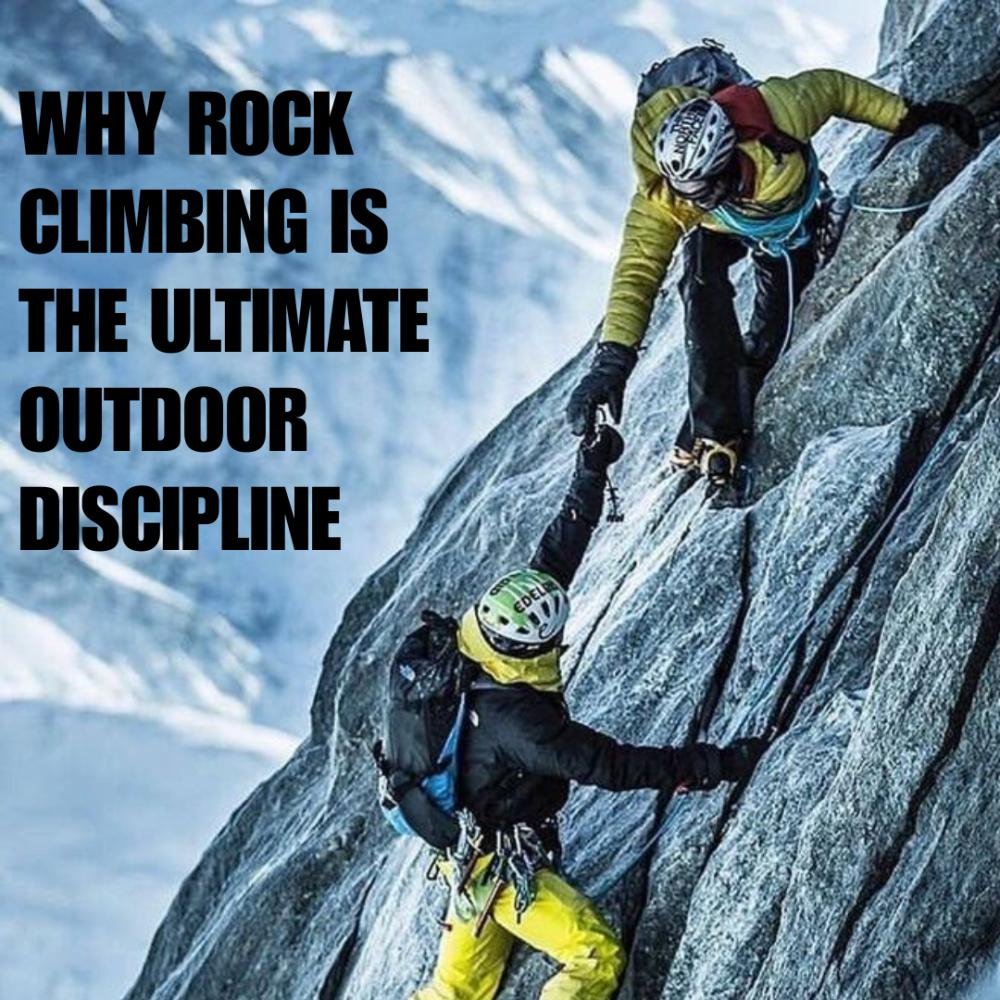
WHY ROCK CLIMBING IS THE ULTIMATE OUTDOOR DISCIPLINE
In the vast world of adventure sports, few activities match the raw, unfiltered challenge of rock climbing. Its not just about scaling heightsit's about confronting your fears, understanding your body, solving problems in real time, and forming an intimate bond with nature. At Oxbow Explore, weve seen how climbing transforms peoplefrom hesitant first-timers to confident, resilient explorers. Here's why we believe rock climbing is the ultimate outdoor discipline. 1. A Full-Body Workout That Nature Designed Climbing engages every major muscle grouparms, legs, core, back, and fingerswithout ever feeling like a gym routine. Every move is a functional motion that blends strength, flexibility, balance, and coordination. You build upper-body power as you pull and grip. Leg muscles strengthen with every push from a foothold. The core activates constantly to maintain balance and body tension. No two climbs are the same, which means your body adapts in smarter, more versatile ways than repetitive indoor workouts ever allow. 2. Mental Resilience: More Mind Than Muscle What surprises most new climbers is this: climbing is a mental game. Every route is a puzzleone that requires focus, creativity, patience, and emotional control. You learn to stay calm under pressure, especially mid-route with lactic acid burning and gravity pulling. You practice decision-making in the moment, assessing holds, body position, and risk. You train your mind to embrace discomfort and persevere. These lessons dont end on the wall. They carry into everyday life, making climbers some of the most grounded and mentally tough adventurers out there. 3. Nature Is the Only Constantand the Greatest Teacher Climbing forces you to read the rock, feel the texture of stone, and adapt to natural variables like wind, sun, or loose gravel. Whether you're on granite in Himachal, basalt in Hampi, or limestone cliffs near Badami, you're not just using natureyoure learning from it. Climbing connects you to the environment in a way few sports do. You begin to understand geology, weather patterns, even local flora and fauna. You stop seeing nature as a backdrop and start seeing it as your partner. 4. A Culture of Trust and Community Climbers depend on each other. Literally. Whether you're tied into a belay system or spotting a friend on a boulder problem, climbing fosters deep trust and accountability. Its also a remarkably inclusive and supportive community. New climbers find mentors easily, and strangers often become partners and lifelong friends. In a world that often feels divided, the climbing community is a rare place where age, gender, background, and skill level meet on equal groundon the rock. 5. Teaches You to Let Go (and Fall Right) Failure is baked into the sport. You fall, you get stuck, you back off routes. But every attempt makes you stronger and smarter. Climbing normalizes setbacks and reframes failure as growth. Theres something liberating about falling safely, getting back up, and trying again. In climbing, thats not defeatits progress. 6. Minimalist and Sustainable by Nature Unlike motorized adventure sports, climbing leaves little to no trace when done responsibly. Its human-powered and minimalistic. With just a pair of shoes, a chalk bag, and your instincts, you can climb almost anywhere. As more climbers become stewards of the outdoors, the sport naturally lends itself to sustainable tourism, local engagement, and conservation awarenessvalues we deeply believe in at Oxbow Explore. The Summit is Only the Beginning Rock climbing is not about conquering a wall. Its about conquering the doubt within. It's about self-discovery, discipline, and a reverence for nature. Thats why, for us, it stands tall as the ultimate outdoor discipline. Whether you're starting at an indoor gym or dreaming of scaling Himalayan crags, the journey begins with one moveand a willingness to rise.
read more arrow
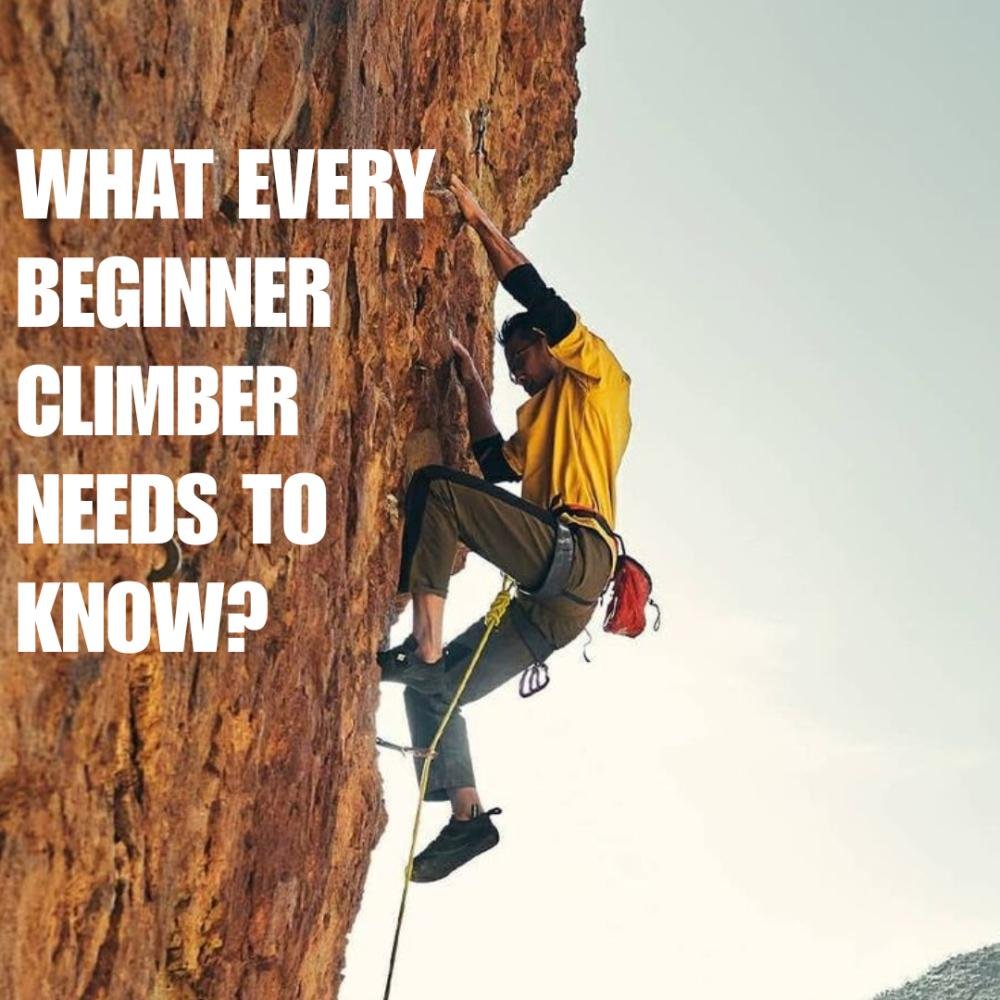
FROM CHALK TO SUMMIT: WHAT EVERY BEGINNER CLIMBER NEEDS TO KNOW

July 3, 2025

FROM CHALK TO SUMMIT: WHAT EVERY BEGINNER CLIMBER NEEDS TO KNOW
Rock climbing is more than just a sportit's a test of your body, mind, and willpower. Whether youre drawn to the thrill of ascending natural rock faces or the controlled environment of indoor climbing walls, this vertical journey begins the same way for everyone: with curiosity, courage, and chalk-covered hands. At Oxbow Explore, we believe that climbing is one of the most transformative outdoor disciplines. It teaches patience, focus, and a unique form of humility as you engage with nature in its rawest form. If you're ready to step into the world of climbing, here's your go-to guide covering everything from gear to etiquette. 1. The Gear You Need (and Why You Need It) Before your first climb, investing in the right gear is crucialnot just for performance but for your safety. Climbing Shoes: Your connection to the rock. Choose shoes that are snug but not painfully tight. Harness: Your life support systemliterally. Go for a well-padded, adjustable harness for comfort. Helmet: Non-negotiable, especially outdoors. It protects you from falling debris and impacts. Belay Device Carabiners: Essential for managing the rope while climbing or belaying a partner. Chalk Chalk Bag: To keep your hands dry and improve grip. Climbing Rope: If youre venturing outdoors, dynamic ropes are designed to absorb the impact of a fall. Pro tip: Rent before you invest. Most climbing gyms have equipment for beginners. 2. Learn the Lingo (and the Basics) Climbing has its own languageunderstanding it helps you stay safe and feel more confident. Belay: The system of securing a climber using rope, handled by the belayer. Crux: The most challenging part of a climb. Beta: Advice or technique on how to climb a route. Bouldering: Climbing shorter routes without ropes but with crash pads. Enrolling in a certified beginner course at a climbing gym or with a recognized body like the IMF is highly recommended. 3. Safety is a Mindset, Not Just a Checklist Every climber learns this sooner or latercomplacency can be dangerous. Always double-check knots, harnesses, and belay setups. Use clear communication with your belay partner"On belay?" "Climbing!" "Take!" etc. Dont push past your limits on your first few climbslearn your body and build endurance over time. Many gyms also conduct fall practice drillstake them seriously. 4. Build Strength, But Dont Ignore Technique Climbing isnt just about upper body strength. In fact, beginners often overuse their arms and tire out too quickly. Focus on: Footwork: Use your legs to push, not your arms to pull. Balance: Keep your body close to the wall and distribute weight evenly. Route Reading: Learn to visualize your next moves before you climb. Supplement your climbing with mobility exercises, finger strengthening, and core workouts. 5. Respect the Walland Each Other Climbing is a deeply communal sport. Whether indoors or outdoors, there are unspoken rules: Dont climb under or over another climber. Wait your turnespecially on popular routes. Clean up after yourselfespecially chalk and tape. Outdoors, follow Leave No Trace principles: pack out trash, dont chip holds, and respect local regulations. 6. From Indoor Walls to Outdoor Crags Start indoors, but dont be afraid to go outside once youre ready. Outdoor climbing introduces variables like weather, rock type, and longer routesbut also offers the unmatched joy of climbing real stone under open skies. Always go with experienced climbers or certified guides when venturing out for the first few times. 7. Climb With Purpose At Oxbow Explore, we see climbing as a journey of growth. Beyond the sport lies a larger storyof building grit, forming bonds, and exploring remote geographies responsibly. Whether youre a weekend warrior or on your way to a Himalayan crag, remember: every climb is an opportunity to connectwith nature, community, and yourself. Ready to Begin? Visit your nearest climbing gym, sign up for a beginner session, and follow our blog for more tips, gear reviews, and upcoming climbing events and expeditions. From chalk to summit, the wall is waiting.
read more arrow
ROCK CLIMBING

February 25, 2025

ROCK CLIMBING
ROCK CLIMBING Rock Climbing in India: The Ultimate Guide to Trails, Difficulty Levels, and Locations India, with its vast and diverse topography, is a paradise for rock climbers. From the boulder-strewn landscapes of Hampi to the towering granite cliffs of Himachal Pradesh, the country offers a variety of climbing experiences, catering to beginners and seasoned climbers alike. This guide covers the best rock-climbing locations across India, including grading difficulties, altitudes, and possibilities for climbers of all levels. North India 1.Himachal Pradesh Manali (Solang, Vashisht, Aleo) Difficulty: 5a to 8a (French Grade) Altitude: 2,050m to 3,000m Possibilities: Sport climbing, bouldering, and alpine-style climbing Highlights: Granite cliffs, picturesque landscapes, and well-established routes Dhauj (Haryana, near Delhi) Difficulty: 4c to 7b Altitude: ~300m Possibilities: Trad climbing and bouldering Highlights: Quartzite rock formations, excellent winter climbing spot Parvati Valley (Kasol, Tosh, Malana) Difficulty: 5b to 7c Altitude: 1,600m to 3,200m Possibilities: Trad, sport, and alpine climbing Highlights: Remote high-altitude climbing with breathtaking views Leh-Ladakh (Shey, Spituk, Gotsang, Zanskar Valley) Difficulty: 5c to 8a Altitude: 3,500 m to 5,500 m Possibilities: Alpine, sport climbing, high-altitude big wall climbing Highlights: Granite walls, high-altitude challenges, and untouched routes Northeast India 2. Arunachal Pradesh Gorichen Base Camp Difficulty: 6a to 7b Altitude: 4,000m to 5,000m Possibilities: Trad and alpine climbing Highlights: Virgin routes, extreme weather conditions, technical climbing 3. Meghalaya Shillong and Sohra (Cherrapunji) Difficulty: 5a to 7a Altitude: 1,500m to 1,800m Possibilities: Sport climbing and bouldering Highlights: Limestone cliffs, waterfalls, and humid conditions 4. Nagaland Dzukou Valley Difficulty: 5a to 6b Altitude: 2,450m Possibilities: Trad climbing, multi-pitch routes Highlights: Unique rock formations, unexplored potential, stunning valley views Western India 5. Rajasthan Mount Abu Difficulty: 5a to 6c Altitude: 1,200m Possibilities: Trad and sport climbing Highlights: Sandstone and granite formations, accessible routes Ranakpur Kumbhalgarh Difficulty: 5b to 7a Altitude: ~800m Possibilities: Trad and sport climbing Highlights: Remote and scenic routes with historical significance 6. Maharashtra Matheran, Badami, and Lonavala Difficulty: 5b to 8a Altitude: 600m to 1,200m Possibilities: Sport climbing, bouldering Highlights: Overhangs, technical climbing, and monsoon climbing potential Southern India 7. Karnataka Hampi Difficulty: V0 to V12 (Bouldering Grade) Altitude: 400m Possibilities: World-class bouldering Highlights: Granite boulders, surreal landscapes, and year-round climbing Badami Difficulty: 5a to 8b Altitude: 600m Possibilities: Sport climbing, multi-pitch Highlights: Sandstone cliffs, pocketed holds, and steep climbs 8. Tamil Nadu Yelagiri Kambakkam Difficulty: 5b to 7c Altitude: 800m to 1,500m Possibilities: Trad, sport climbing Highlights: Granite climbing with varied terrain Eastern India 9. West Bengal Susunia Hills Purulia Difficulty: 5a to 6c Altitude: ~600m Possibilities: Sport climbing, bouldering Highlights: Ancient climbing routes with a historical touch 10. Odisha Similipal Hills Difficulty: 5b to 7b Altitude: ~900m Possibilities: Trad, multi-pitch Highlights: Unique rock formations and dense forest surroundings
read more arrow
arrow
Itineraries Downloads