August 17, 2026


January 6, 2026
HOW BORDER TOURISM IS OPENING NEW ROUTES FOR MOUNTAINEERS
“The mountains have always called, but now even the borders are answering.”
India’s vast and diverse terrain has long attracted mountaineers, trekkers, and adventure seekers. While the Himalayas, Karakoram, and Northeast ranges are well-charted in mountaineering literature, recent years have seen a new wave of exploration—one that emerges from India’s border regions.
Border tourism, once a restricted concept due to security concerns, is now opening unprecedented avenues for mountaineers. From Ladakh to Arunachal Pradesh and Sikkim to Siachen, these frontier areas are revealing untouched peaks, unexplored valleys, and culturally rich landscapes.
Why Border Regions Are the New Mountaineering Frontier
- Unexplored Terrain
Border areas often contain peaks, glaciers, and passes that are largely unmapped. Many remain untouched by commercial expeditions, offering mountaineers the ultimate challenge: a first ascent. - Strategic Accessibility
Increased security protocols, guided treks, and government initiatives are making border regions more accessible to civilian adventure enthusiasts without compromising safety. - Cultural Immersion
Border regions are home to remote communities with distinct traditions and heritage. Mountaineers now experience ethno-adventure tourism, combining physical challenge with cultural insight. - Environmental Awareness
Trekking and climbing in these fragile ecosystems often emphasize sustainable tourism — climbers act as ambassadors for conservation, documenting biodiversity and glacial health.
Government and Private Initiatives Boosting Border Tourism
- Permits and Controlled Access—Agencies coordinate with the Indian Army and ITBP, providing secure access to previously restricted regions.
- Adventure and Eco-Tourism Collaboration—State tourism boards in Ladakh, Arunachal Pradesh, and Sikkim now partner with private operators to provide treks, climbing routes, and camping experiences.
- Infrastructure Development—Better roads, base camps, and guided routes make border regions accessible while maintaining security and ecological balance.
- International Mountaineering Partnerships—Collaborative programs with mountaineering institutes like NIMAS and IMF allow enthusiasts to participate in high-altitude, low-impact expeditions.
Sustainability and Responsibility
Border tourism isn’t just about adventure; it’s about ethical exploration. Climbers are encouraged to:
- Practice Leave No Trace principles
- Respect local communities and tribal traditions
- Participate in tree plantations, clean-up drives, and glacial documentation
Sustainable border tourism ensures that these fragile ecosystems remain preserved for future mountaineers and adventurers.
The Mountaineering Advantage
For climbers, border tourism presents unique benefits:
- Unclimbed or less-frequented peaks – Opportunities to attempt first ascents or unexplored routes.
- Skill Enhancement—High-altitude training, glacier trekking, and navigation in extreme conditions.
- Cultural Enrichment – Encounters with local communities, festivals, and indigenous knowledge.
- Scientific Contribution – Recording flora, fauna, and glacial changes aids environmental research.
These experiences transform mountaineering from a personal adventure into a holistic learning journey.
Future of Border Mountaineering in India
- Integration with Adventure Tourism: Multi-day treks combining mountaineering, cultural experiences, and environmental studies.
- Technology-Driven Exploration: Use of drones, GPS mapping, and satellite imaging for safer and better-planned expeditions.
- Women-Led Expeditions: Increasing participation of female mountaineers in high-altitude border expeditions.
- International Collaboration: Training camps and joint expeditions with global
Border tourism is redefining Indian mountaineering. It offers unexplored routes, heightened adventure, and cultural depth, combining the thrill of climbing with a sense of national pride and environmental responsibility.
For mountaineers seeking the ultimate frontier, the message is clear: the summit isn’t just on the peak — it’s in the journey through India’s borders.
Latest Articles

MOUNT KUN
HOW BORDER TOURISM IS OPENING NEW ROUTES FOR MOUNTAINEERS
January 6, 2026
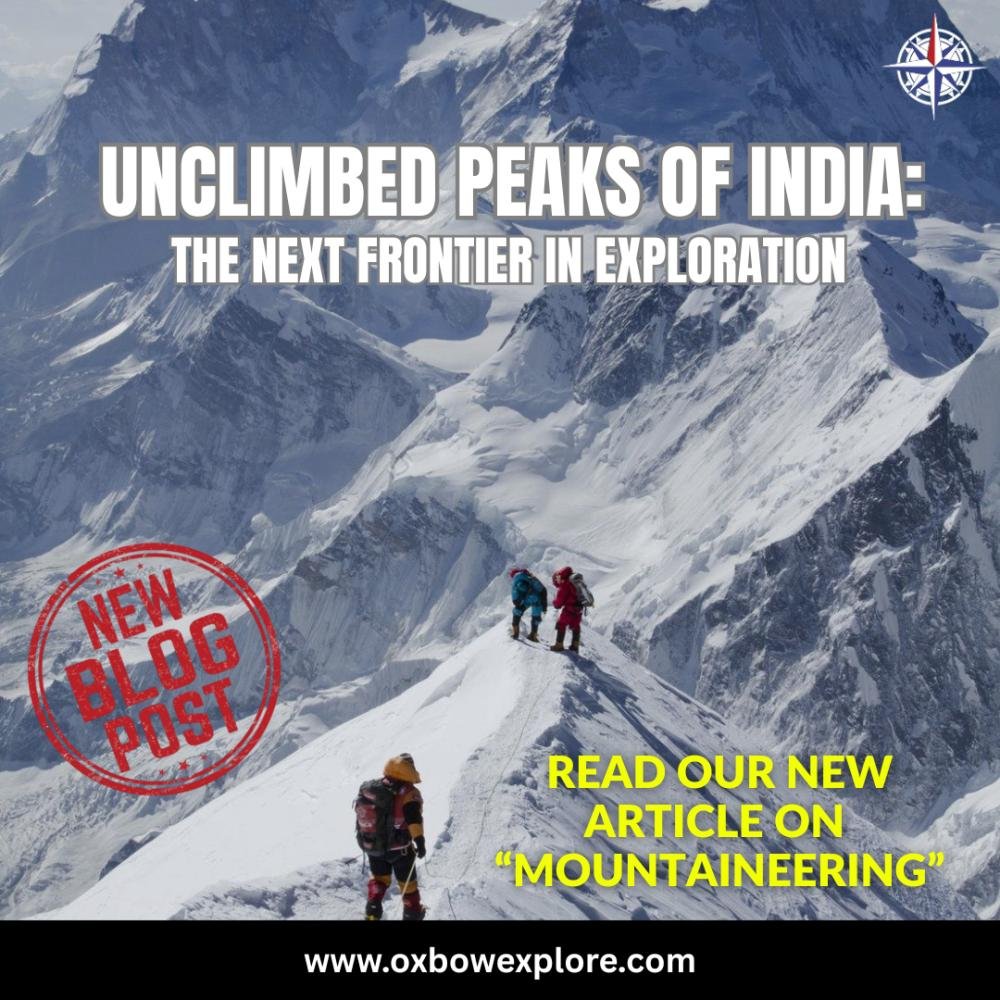
UNCLIMBED PEAKS OF INDIA: THE NEXT FRONTIER IN EXPLORATION
December 2, 2025

THE ANATOMY OF ENDURANCE
October 23, 2025

THE PSYCHOLOGY OF THE SUMMIT: WHAT CLIMBING TEACHES YOU ABOUT LIFE
October 15, 2025
