February 26, 2026



July 22, 2025
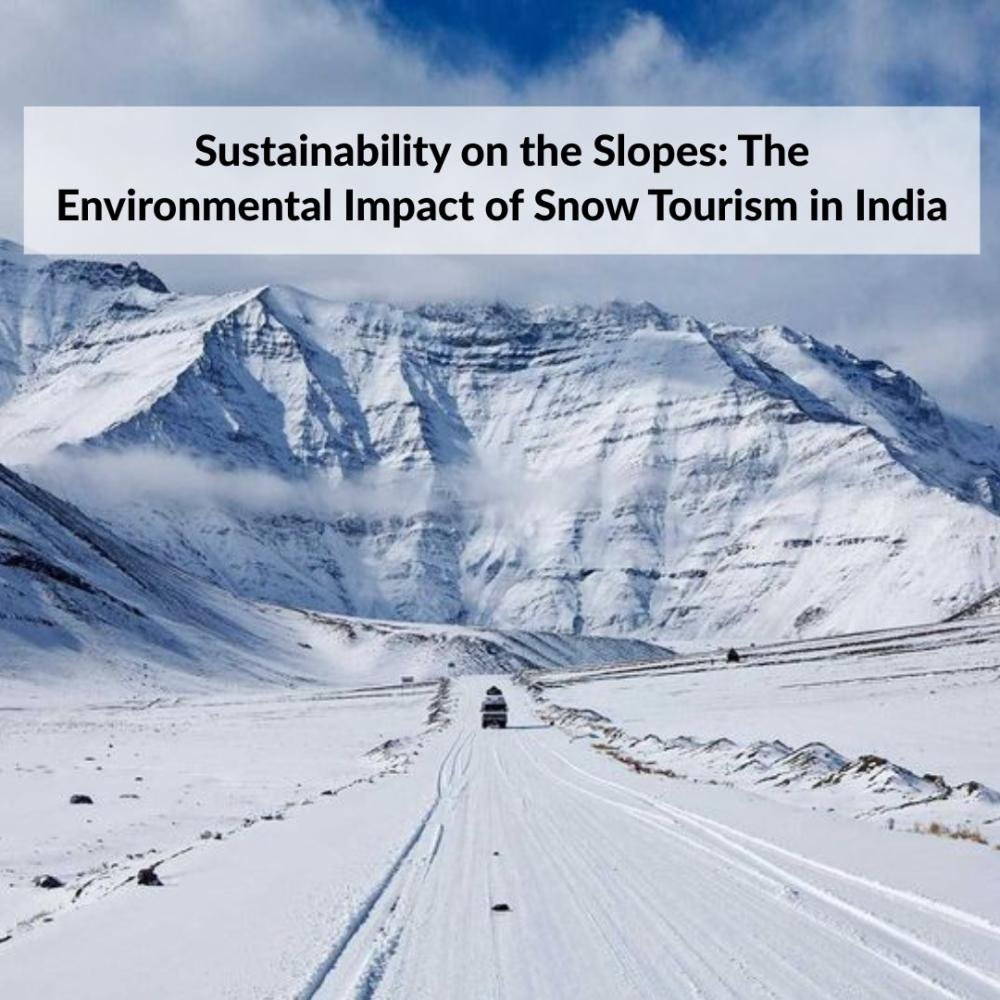
Sustainability on the Slopes: The Environmental Impact of Snow Tourism in India
As the Indian Himalayas increasingly become a playground for snow lovers, there's a quiet storm brewing behind the scenes—one that has less to do with snowfall and more with sustainability. From bustling ski resorts to growing adventure tourism circuits, snow tourism is booming across destinations like Gulmarg, Auli, Solang, and Lahaul. But as we chase powder and panoramic views, it's time to ask a harder question:
What is the environmental cost of snow tourism in India?
Snow Tourism: A Double-Edged Sword
Snow tourism brings undeniable benefits—jobs, infrastructure, and a spotlight on remote regions that often remain isolated in the long winter months. But this sudden surge of interest comes with ecological consequences.
Here’s how snow tourism can negatively impact fragile mountain ecosystems:
1. Infrastructure Development in Fragile Zones
To accommodate rising tourist numbers, roads are widened, trees cleared, and resorts built—often without adequate environmental safeguards. The Himalayas are young, geologically unstable mountains, and rapid construction increases the risk of:
- Landslides and erosion
- Loss of alpine flora and wildlife corridors
- Permanent damage to glacial and forest ecosystems
In regions like Gulmarg and Joshimath, infrastructure stress has already become a visible concern, with shifting ground levels and water table issues.
2. Waste Management Woes
More tourists mean more waste. Disposable packaging, plastic bottles, and non-biodegradable ski gear litter trails, slopes, and nearby villages. In winter, waste is often buried under snow—only to resurface during the thaw in spring, overwhelming local waste systems.
While some ski resorts like Auli are trying to manage their waste through local bodies like GMVN, the systems are often stretched thin and under-resourced.
3. Increased Carbon Footprint
Snow sports may seem clean on the surface, but they rely heavily on energy-intensive support systems:
- Artificial snowmaking (using thousands of litres of water and energy)
- Diesel-powered snowmobiles, lifts, and grooming equipment
- Transport emissions from visitors flying or driving long distances
This high-energy consumption directly contributes to greenhouse gas emissions, ironically threatening the very snow we seek.
4. Water Usage & Depletion
Artificial snow requires massive amounts of water, often diverted from local sources. In places where water is already scarce in winter, this has knock-on effects:
- Reduced water availability for local communities and livestock
- Drying up of nearby streams and forest ecosystems
- Lower water tables due to over-extraction
5. Climate Change & Melting Slopes
The ultimate irony? Snow tourism depends on snow, but it’s contributing to the conditions that are shortening ski seasons and raising freezing lines.
Inconsistent snowfall in Auli and warming trends in Himachal are forcing resorts to rely more on artificial snow—a temporary fix that exacerbates the problem in the long run.
Can Snow Tourism Be Sustainable?
Yes—but only if approached with urgency, innovation, and community engagement. Here’s what sustainable snow tourism in India could look like:
1. Eco-Sensitive Zoning & Construction
- Enforce strict building codes in high-altitude regions
- Limit the number and size of new resorts
- Use renewable materials and local labor
- Build eco-lodges that minimize heating and energy demands
2. Low-Waste & Zero-Plastic Policies
- Install waste segregation points on trails and at resorts
- Ban single-use plastic in tourist zones
- Incentivize travelers to carry their own water bottles and flasks
3. Renewable Energy Use
- Switch to solar-powered lifts and heating systems where feasible
- Encourage electric transport options for local travel
- Offer incentives for resorts using clean energy or carbon offsets
4. Community-Led Tourism Models
- Train locals as guides, instructors, and hospitality staff to reduce outside dependency
- Involve local panchayats and youth in conservation work
- Channel tourism revenue into community-owned services like waste collection and public toilets
5. Education & Responsible Tourism Campaigns
- Educate tourists on the fragile ecosystem they are entering
- Promote Leave No Trace principles
- Partner with schools, influencers, and tour operators to normalize eco-conscious behavior on the slopes
The Road Ahead: A Delicate Balance
India’s snow-covered slopes are not just adventure zones—they’re water towers, biodiversity hotspots, and cultural heartlands. As more people flock to the mountains, the onus is on all stakeholders—tourists, operators, governments, and locals—to ensure that the thrill of winter does not come at the cost of our environment.
The Himalayas give us snow, silence, and soul-stirring beauty. The least we can do is return the favor with respect, responsibility, and a sustainable approach to adventure.
Planning a snow trip this winter?
Try going plastic-free, take public transport, support homestays, and leave only footprints. The future of India’s slopes depends on it.
Latest Articles

India’s Snow Dreams Carve New Lines: Khelo India Winter Games 2026


SNOW SPORTS
February 25, 2025
