September 15, 2026



September 8, 2026
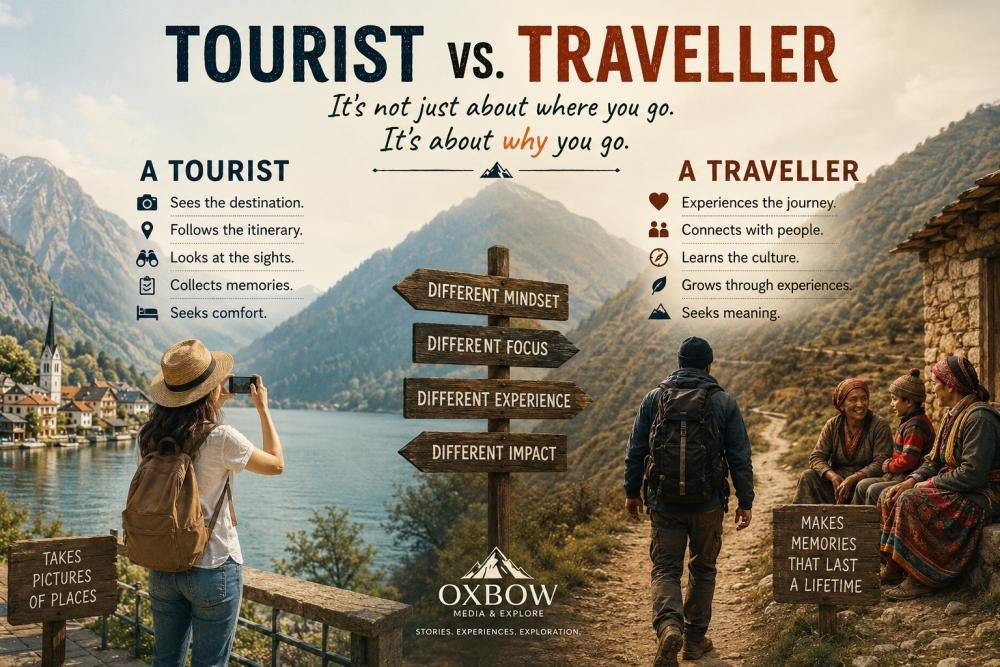
The Difference Between a Tourist and a Traveller
Travel is more than simply moving from one destination to another. It offers an opportunity to discover unfamiliar places, experience different cultures, encounter new perspectives, and step beyond the routines of everyday life. Yet, while millions of people travel every year, the way each person approaches a journey can be very different.
The terms "tourist" and "traveller" are often used interchangeably. Both involve visiting new destinations, exploring unfamiliar environments, and creating memories along the way. However, the difference between the two often lies not in where they travel or how far they go, but in what they seek from the experience.
A tourist may travel primarily to see and enjoy a destination, while a traveler often looks beyond the destination itself. They may seek to understand the culture and history of a place, connect with local people, experience nature, or challenge themselves through unfamiliar experiences.
The distinction is not defined by budget, accommodation, planning, or the distance travelled. It is defined by intention, curiosity, and participation.
Beyond Seeing a Destination
A tourist may ask, “What is there to see?” A traveller often asks, “What can I experience?”
That difference in perspective can completely change the nature of a journey.
For some travellers, the experience may lie in exploring local traditions, tasting regional food, understanding the history of a place, or interacting with the people who call it home. For others, it may be found in nature and adventure.
A traveller may visit the mountains not only to admire them from a distance but to walk through valleys, trek across forests, climb higher, and experience the landscape firsthand. They may camp under the stars, raft through a river, cross a challenging mountain pass, or travel to places that require effort and preparation to reach.
In such journeys, the traveller becomes an active participant rather than simply an observer.
When the Journey Becomes Part of the Experience
Adventure often adds another dimension to travel. It takes people beyond familiar routines and places them in situations that require preparation, resilience, adaptability, and sometimes the courage to take calculated risks.
A difficult trek can test stamina. Changing weather can test preparation. An unfamiliar route can challenge patience and adaptability.
However, the purpose of adventure is not discomfort for its own sake. It is about experiencing something beyond the ordinary.
When a journey requires genuine effort, the destination often feels different. Not because reaching it is impossible for others, but because the individual has experienced every part of the journey personally.
They have not simply seen the landscape; they have moved through it.
The Difference Lies in the Experience
This does not mean that being a tourist is somehow less meaningful than being a traveller. Tourism allows people to discover destinations, cultures, and landscapes they may never otherwise experience.
The difference is simply in approach.
A tourist may return home with photographs of the places they have visited. A traveller often returns with stories of the experiences they had along the way.
Ultimately, travelling is not just about reaching a destination. It is about the curiosity, experiences, challenges, and discoveries that shape the journey.
Perhaps that is the real difference between a tourist and a traveler: one visits a place, while the other allows the journey to become part of who they are.
Latest Articles
The Art of Travelling Alone
September 11, 2026
The Difference Between a Tourist and a Traveller
September 8, 2026
The Hidden Adventure Destinations of India
September 7, 2026

Love to Travel? What If You Could Build a Career Around It?
August 20, 2026
