September 15, 2026



September 3, 2025
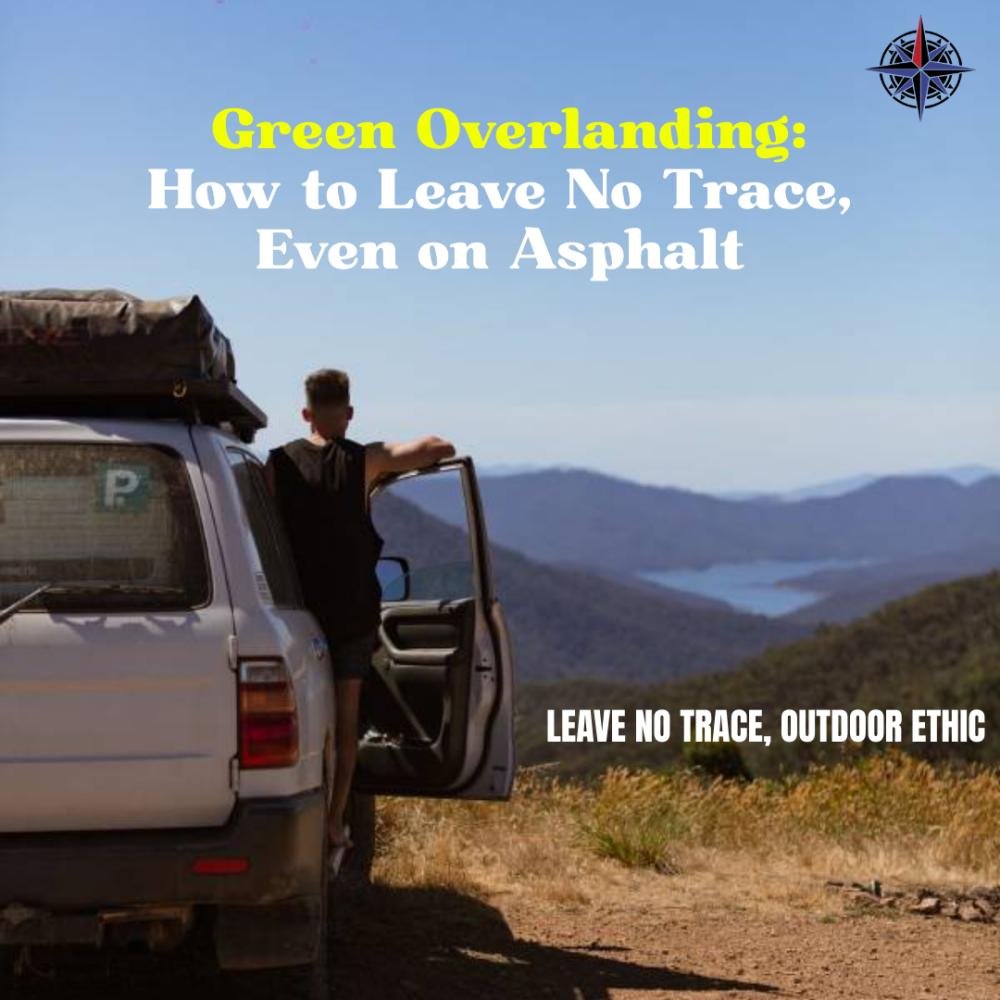
Green Overlanding: How to Leave No Trace, Even on Asphalt
When most people think of “Leave No Trace,” they picture rugged trails, alpine meadows, and remote campsites. But what about the road that gets you there?
Overlanding isn't just about the wild places we visit—it's also about how we move through the world to get there. Whether you're navigating forest tracks or cruising down interstates, the Leave No Trace ethic doesn't stop where the pavement starts. In fact, the road can be where our impact is most invisible—and insidious.
At Oxbow Explore, we believe in building a community of overlanders who tread lightly everywhere. Here's how to practice green overlanding, even when you're on asphalt.
1. Rethink Fuel and Emissions
Overland rigs are often large, heavy, and thirsty. But that doesn’t mean we can't be conscious of our emissions.
- Drive Smarter: Maintain steady speeds, avoid unnecessary idling, and ensure your tires are properly inflated to increase fuel efficiency.
- Explore Hybrids or Alternative Fuels: If you're building a new rig, consider hybrid platforms, biodiesel conversions, or even electric overlanding setups.
- Offset What You Burn: Carbon offset programs aren’t perfect, but they’re a step in the right direction. Invest in credible offsetting programs to balance out your emissions.
2. Pack In, Pack Out, Fuel Stops Included
Just because you're at a truck stop or convenience store doesn’t mean you can forget your overland ethics.
- Say No to Single-Use: Stock up on snacks and meals in bulk or reusable containers before you go. Skip plastic water bottles by filling up at filtered water stations with your own jug.
- Dispose of Waste Responsibly: Use proper recycling bins at stops and avoid overflowing trash cans. Better yet, carry a small trash storage system in your rig and sort it at home.
- Support Low-Waste Businesses: Look for coffee shops and restaurants that encourage reusable containers or have composting programs.
3. Tread Lightly with Your Fluids
Oil leaks, coolant drips, and greywater dumps can be just as damaging in a parking lot as in a meadow.
- Stay on Top of Maintenance: Regularly inspect and service your vehicle to prevent leaks.
- Use Absorbent Mats: Park over oil drip mats when camping on pavement or gravel to prevent contamination.
- Empty Tanks Responsibly: Only dump greywater or waste at designated dump stations—never on the side of the road or in a rest area.
4. Choose Campsites thoughtfully even Urban Ones
Urban overlanding, or overnighting in paved lots (like walmarts, casinos, or rest stops), comes with its own etiquette.
- Be Invisible: Avoid setting up camp chairs or awnings or building fires in non-designated areas. Park like a traveler, not a squatter.
- Minimize Noise and Light: Keep generator use to a minimum and dim interior lights to avoid light pollution.
- Leave It Better: Do a quick sweep before you leave and pick up trash—even if it’s not yours.
5. Be an Example on the Road
Your rig is a moving billboard for overlanding and for responsible adventuring.
- Practice Road Courtesy: Signal lane changes, yield when needed, and don’t block scenic pull-offs or trailheads.
- Educate Gently: If someone’s curious about your setup, take the opportunity to share your Leave No Trace practices.
- Support Sustainable Travel Networks: Connect with and promote businesses, campsites, and events that prioritize sustainability.
Why It Matters
The core of overlanding is respect—respect for the land, for other travellers, and for the journey. When we extend the Leave No Trace mindset beyond the trailhead, we show that adventure and responsibility go hand in hand.
At Oxbow Explore, we’re building a movement of modern overlanders who explore boldly and tread lightly. Whether you're in the backcountry or a back alley, your footprint matters.
Ready to take your overlanding journey to the next level?
Latest Articles
The Art of Travelling Alone
September 11, 2026
The Difference Between a Tourist and a Traveller
September 8, 2026

The Hidden Adventure Destinations of India
September 7, 2026

Love to Travel? What If You Could Build a Career Around It?
August 20, 2026
