May 22, 2025



May 19, 2025
TAKING FLIGHT: THE RISE OF AERO SPORTS IN INDIA
India’s Skies Are No Longer Just for Birds
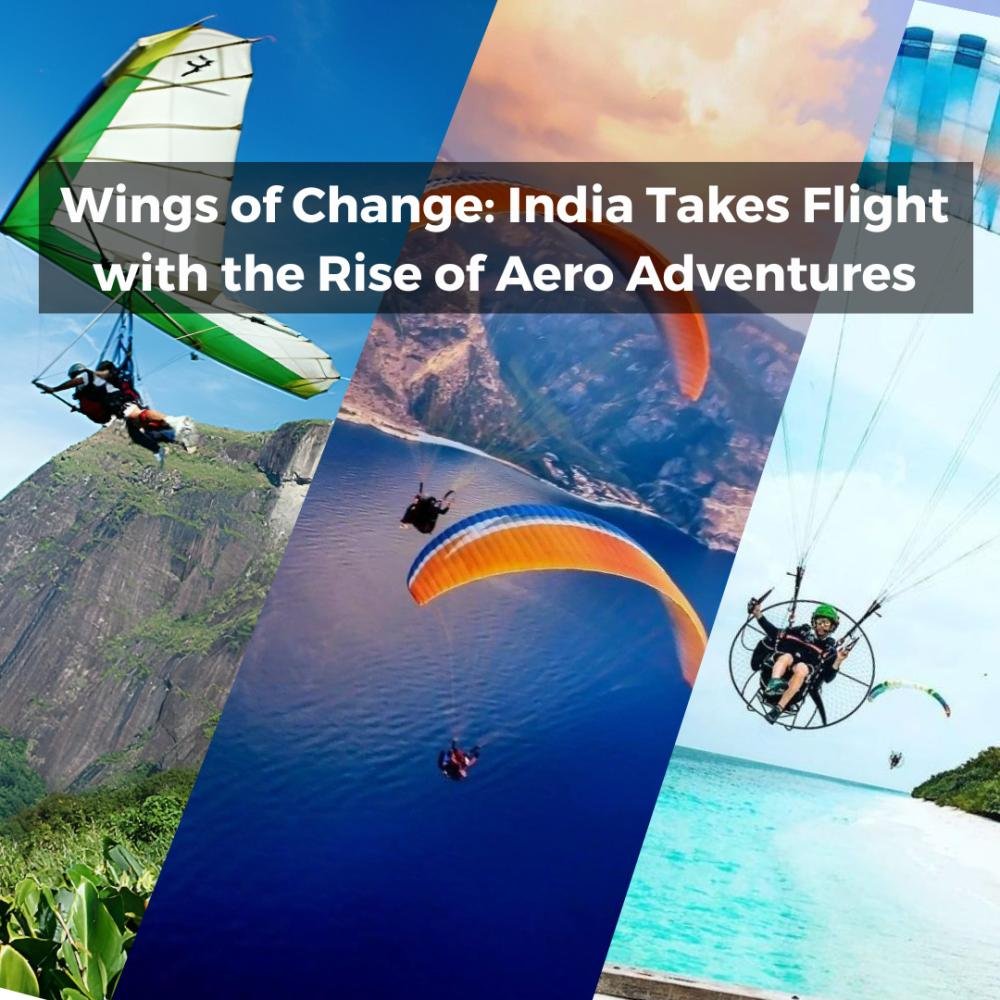
For decades, adventure sports in India were defined by trekking, river rafting, and mountaineering. But over the last few years, a quiet revolution has taken place — in the skies. Aero sports like paragliding, hang gliding, paramotoring, and skydiving are gaining serious altitude, both in popularity and professionalism. From the snow-capped Himalayas to the golden deserts of Rajasthan, Indians are discovering the thrill of flying like never before.
The Early Winds: A Slow Takeoff
Aero sports in India had a humble beginning. In the 1990s, paragliding slowly emerged in places like Bir Billing, Panchgani, and Kamshet, drawing a small circle of enthusiasts and foreigners. Equipment was imported, training was sparse, and safety standards were inconsistent. Yet, these early adopters planted the seeds of an airborne adventure culture.
Back then, flying was expensive, limited to high-altitude zones, and largely unregulated. But as tourism opened up and local training institutes began to emerge, so did India’s interest in chasing the skies.
The Boom: From Fringe to Festival
Over the last decade, the story has changed dramatically. Today, aero sports are no longer niche. Here’s how the scene has evolved:
1. Paragliding
Bir Billing is now one of the top paragliding destinations in the world, even hosting the Paragliding World Cup. Kamshet has become a weekend hub for fliers from Mumbai and Pune. Operators now offer certified tandem rides, beginner courses, and even cross-country expeditions.
2. Paramotoring
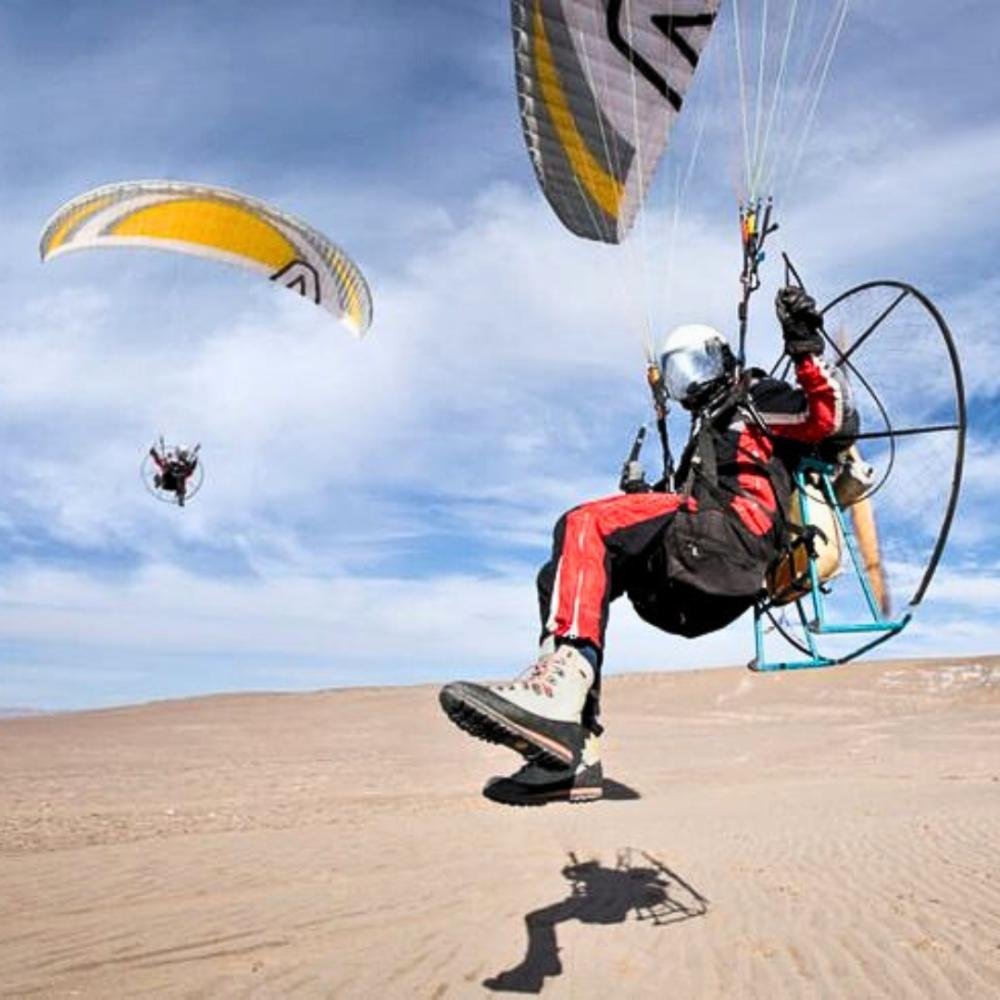
The desert skies of Jaisalmer, open fields of Aligarh, and backwaters of Kerala now host paramotoring activities. With minimal infrastructure required, this sport has become popular at festivals and tourism events.
3. Hang Gliding & Powered Hang Gliding
Though still rare, hang gliding and its powered variant are gaining traction. Hubs like Goa, Coorg, and Nagpur offer test flights and training, led by ex-Air Force veterans and aero clubs.
4. Skydiving
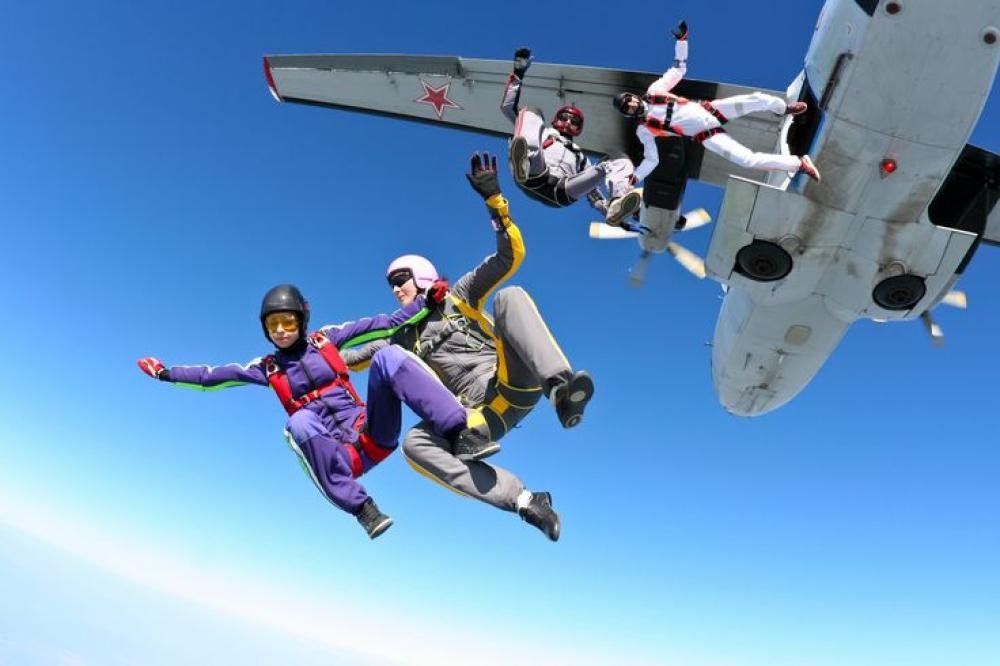
Once a bucket-list fantasy, skydiving is now a reality in Mysuru, Pondicherry, and Dhana (Madhya Pradesh). Licensed drop zones and tandem skydives have opened the sport to civilians, with more women and young professionals taking the plunge.
Why the Sky Fever?
- Affordability: Equipment costs have reduced, and group flying packages are now more accessible.
- Increased Tourism: States like Himachal, Uttarakhand, and Rajasthan have pushed for adventure tourism, including aero sports.
- Influencer Culture: Social media is filled with GoPro footage of paragliders soaring over valleys or skydivers leaping from planes — inspiring others to try.
- Training and Safety: With certified instructors, updated gear, and better insurance options, first-timers feel safer than ever.
- Youth Mindset: A new generation is seeking experiences over possessions. And what better experience than flight?
Challenges That Remain
Despite its growth, the aero sports industry still faces headwinds:
- Airspace Restrictions: Many regions require special permissions due to military zones or proximity to airports.
- Lack of Regulation: While some sports like skydiving follow international safety protocols, others remain loosely regulated.
- Weather Dependency: Most aero sports are seasonal and affected by monsoons or high winds, making scheduling tricky.
- Limited Infrastructure: Only a handful of cities have proper training schools, certified instructors, and rescue support.
Looking Ahead: The Sky Is Not the Limit
With India’s growing appetite for thrill, aero sports are poised for a golden age. State tourism boards are recognizing the economic and cultural value of promoting aerial adventure. Meanwhile, private operators are expanding to newer terrains — the Northeast, Andamans, and even the Konkan coast.
As more Indians look up, dream big, and take flight, aero sports are not just gaining height —they’re gaining a new identity.
Latest Articles

TAKING FLIGHT: THE RISE OF AERO SPORTS IN INDIA
May 19, 2025
TOP 10 DESTINATIONS FOR AERO SPORTS IN INDIA
May 16, 2025
AERO SPORTS
February 25, 2025
