May 22, 2025



May 12, 2025
PARAMOTORING TO POWERED HANG GLIDING: EXPLORING THE NICHE AERO SPORTS OF INDIA
While paragliding and skydiving have carved a place for themselves in India’s adventure tourism scene, there exists a whole world of niche aero sports that remain under the radar — equally thrilling, visually breathtaking, and driven by passionate communities. Among these, paramotoring and powered hang gliding are quietly gaining altitude, both literally and figuratively.
The Basics: What Are These Sports?
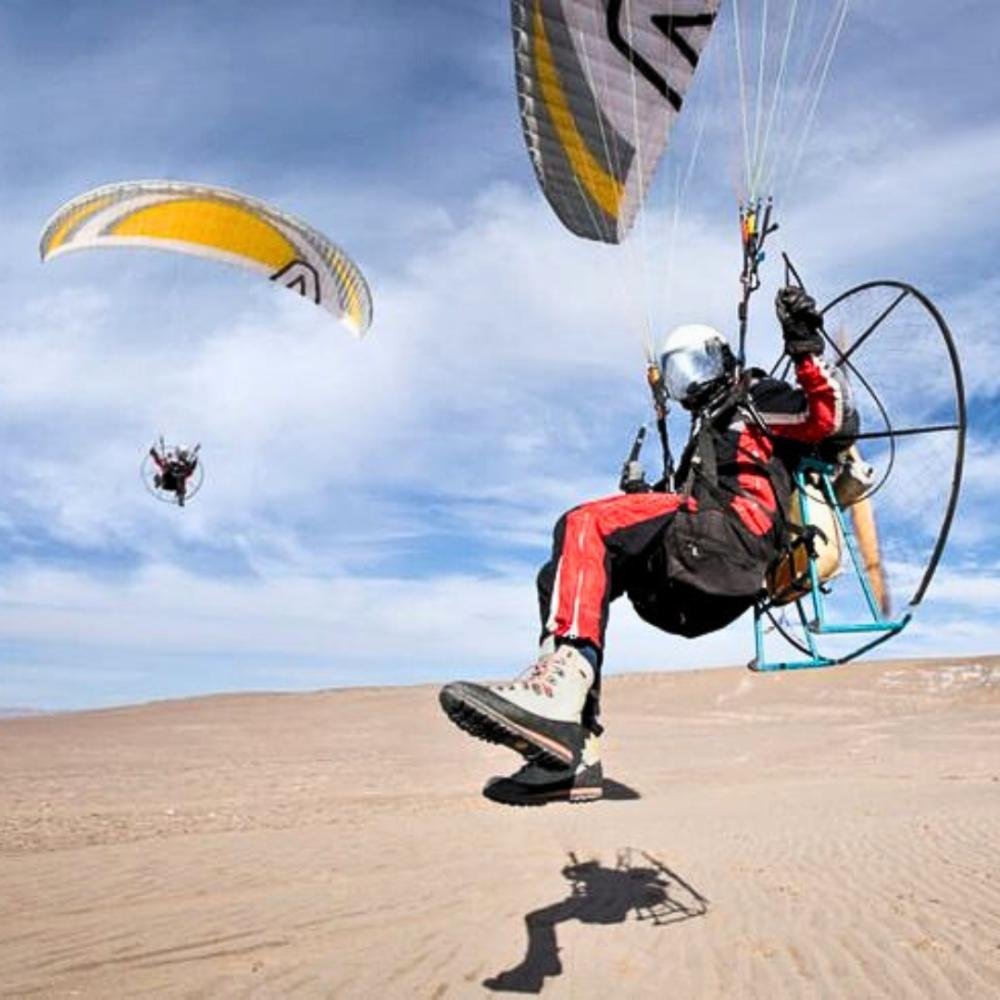
Paramotoring is essentially powered paragliding. A pilot wears a backpack motor (a paramotor) and takes off using a paraglider wing. The engine eliminates the need for a hill or cliff, making flatland flying possible. It’s one of the simplest forms of powered flight — accessible, safe, and incredibly scenic.
Powered hang gliding (also called motorized hang gliding or ultralight triking) combines the traditional hang glider wing with a lightweight engine and wheeled undercarriage. Pilots can take off from open ground and enjoy longer flights with more control, even in varied weather conditions.
Both offer something precious — the freedom of flight without the need for an airport or runway.
Where Is It Happening in India?
These sports are still emerging in India, but several pockets are nurturing the culture:
- Aligarh (Uttar Pradesh) and Nagpur (Maharashtra) have become key hubs for paramotoring training and rides, with regular participation in airshows and festivals.
- Pondicherry, Coorg, and Goa have seen experimental flying clubs offering powered hang glider experiences.
- Jaisalmer and Rann of Kutch occasionally host paramotoring as part of adventure festivals, where tourists can take tandem flights over desert landscapes.
- Arambol, Goa is a popular spot for foreign enthusiasts and expats who often bring their own equipment and share knowledge with local fliers.
The Community: Quiet, Skilled, and Passionate
India’s niche aero sports community isn’t huge, but it’s dedicated. Small flying clubs, ex-Air Force personnel, aviation hobbyists, and YouTube influencers are at the heart of this movement.
People like Captain Gopi Aviation and Wings India Aviation Club have conducted workshops and awareness camps in smaller towns, showing that adventure isn’t just for the mountains — it can take off from your backyard.
There’s also a rise in social media pages dedicated to these sports, where pilots share GoPro footage of their flights over lakes, temples, and forests — showing India from an entirely new angle.
What’s the Allure?
- 360° Aerial Views: Unlike closed-cockpit flying, these sports offer unobstructed panoramic views.
- Ease of Learning: With a shorter learning curve than conventional aircraft flying.
- Portability: The equipment fits in SUVs and trailers — perfect for overlanding expeditions.
- Solo or Social: Pilots can enjoy solo flights or participate in fly-ins and festivals.
Challenges: Airspace and Awareness
India's airspace is tightly regulated, especially near borders and urban areas. Many aspiring pilots face hurdles with permissions, lack of certified training institutes, and unclear policies on recreational flying.
There’s also limited awareness. While paragliding is now a known activity in tourism brochures, paramotoring and powered hang gliding remain in the shadows, waiting for more structured promotion, safety guidelines, and recognition from sports authorities.
The Road (and Sky) Ahead
As adventure tourism evolves, these lesser-known aero sports hold immense potential. Imagine flying over tea estates in Assam or coral reefs in the Andamans — not from a drone, but with your own wings and engine.
All it takes is a few bold pilots, some supportive policy, and a generation of thrill-seekers ready to chase the sky on their own terms.
Latest Articles

TAKING FLIGHT: THE RISE OF AERO SPORTS IN INDIA
May 19, 2025
TOP 10 DESTINATIONS FOR AERO SPORTS IN INDIA
May 16, 2025
AERO SPORTS
February 25, 2025
